
Last updated September 25, 2026
ADU Warning Signs: A Corona Homeowner’s Reference Guide
Most ADU projects that fail in Corona don’t collapse during construction. They die at the kitchen table, when a homeowner signs a proposal that omits permit fees, hides finish materials behind allowance pricing, or comes from a contractor who’s never pulled a utility connection through Riverside County. We’ve reviewed over 900 ADU proposals since 2015, and the pattern is consistent: the warning signs are present before the first shovel hits dirt. This guide names them by category, with the exact language to watch for, so you can spot a troubled project before you’re financially committed. For The Complete Guide to ADU in Corona, see our companion resource.
Quick Answer
The most dangerous ADU warning signs in Corona are structural omissions in the proposal, not construction defects. Look for missing permit fee line items, allowance pricing instead of named finish specifications, and timelines that ignore Riverside County’s 8-12 week permit review. A proposal with these gaps typically signals cost transfers later, not savings now.
Table of Contents
- Proposal Red Flags: What the Document Reveals
- License and Insurance Verification
- Timeline Realism in Corona’s Permit Environment
- Contract Language That Protects or Endangers You
- Site Warning Signs During Construction
- Prefab and Modular ADU Considerations
- Common Mistakes to Avoid
- When to Call a Professional
- Frequently Asked Questions
- The Bottom Line
 Before
 After
AfterProposal Red Flags: What the Document Reveals
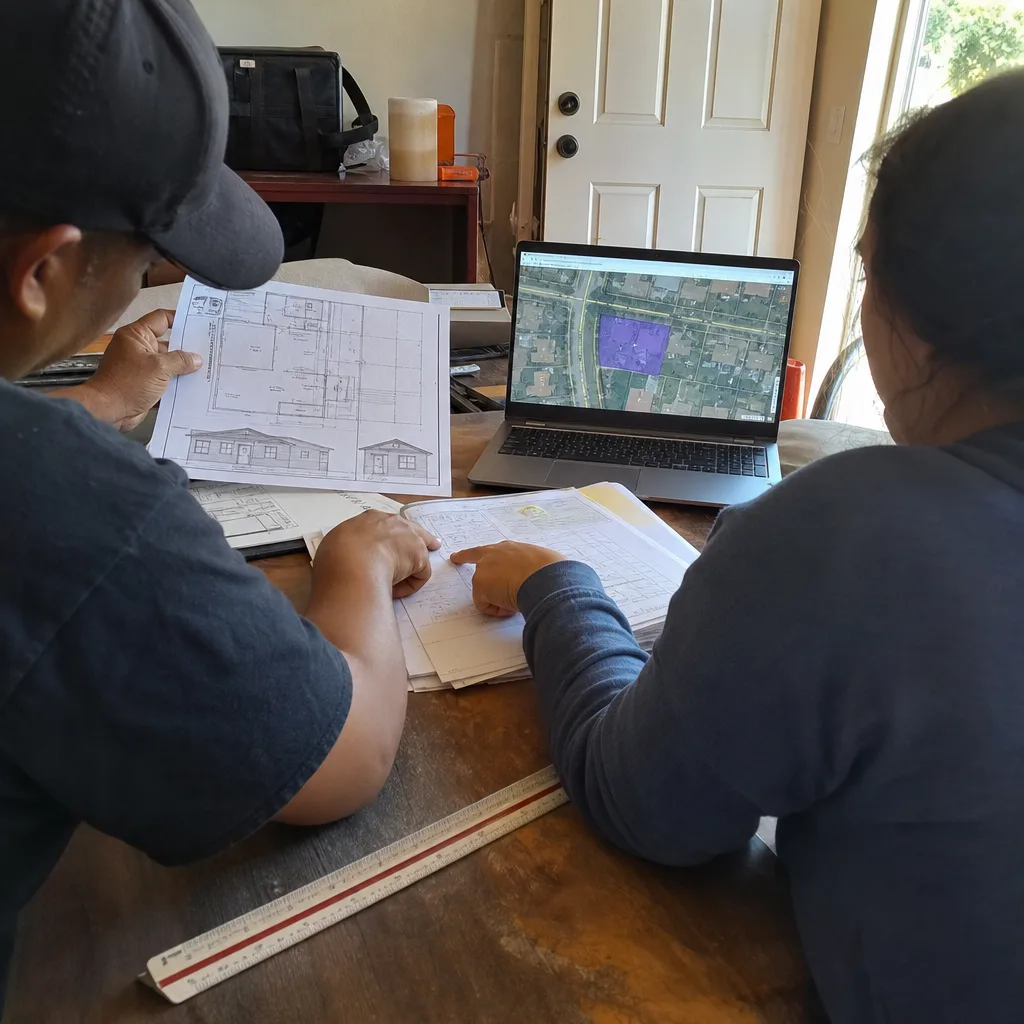
A Corona ADU proposal that doesn’t list a permit fee line item isn’t an oversight. It’s a structural signal that the contractor intends to pass that cost to you later, after you’ve signed and sunk costs have accumulated. In our experience reviewing competitor proposals during free second opinions, this is the single most common mechanism for mid-project budget shock.
Here’s what we look for when evaluating a proposal’s integrity:
- Permit fees listed as “TBD” or absent entirely. Riverside County and the City of Corona both charge plan-check and permit fees that can range from $3,500 to $12,000 depending on ADU size and utility complexity. A proposal that omits this is either uninformed or deliberately opaque. Under Haven Standard Clause 1, our written price includes permit fee estimates based on actual 2024-2025 Corona project data, not placeholders.
- Allowance pricing for cabinets, flooring, and fixtures. Language like “tile allowance: $8,000” or “appliance package: TBD” transfers all finish selection risk to you. When you select the tile you actually want, the allowance falls short and you absorb the difference. We specify named products or equivalent grades in our permit set, so the price reflects real selections.
- No soils investigation line item. Corona’s variable geology, from the loamy soils near the Santa Ana River wash to the denser clays in the hills south of the 91, can affect foundation design. A proposal that assumes standard spread footings without a geotechnical report may trigger change orders when conditions differ. Our proposals include a soils investigation contingency where topography or city records suggest variability.
- Utility connection costs buried or missing. Connecting to Corona’s water and sewer infrastructure often requires trenching, meter upgrades, or sewer lateral work that exceeds the base construction scope. A proposal that lists “utilities included” without specifying to which point, and which agency approvals are required, leaves significant exposure.
- No documented photo record commitment. We deliver a photo record on every visit, timestamped and annotated. Proposals that promise “progress updates” without specifying the documentation format often devolve to verbal summaries that obscure deviations from the permit set.
The proposal is the contract’s foundation. If it reads like a rough estimate dressed in formal language, that’s exactly what it is.
License and Insurance Verification
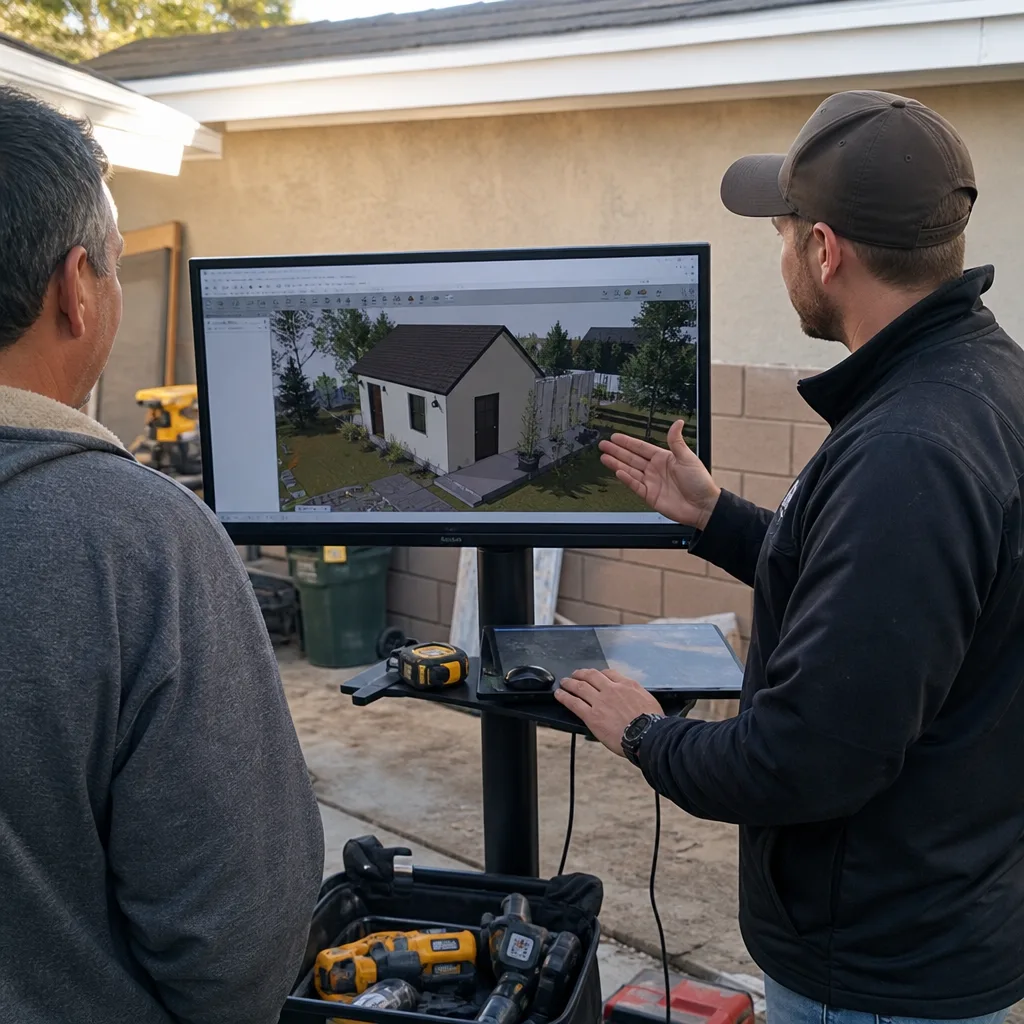
California’s Contractor State License Board (CSLB) maintains public records that every Corona homeowner should check before signing. The verification takes under five minutes and has saved our prospective clients from significant liability exposure. For How to Hire a ADU Contractor in Corona: A Step-by-Step Guide, see our detailed walkthrough.
Specific red flags to verify:
- CSLB license status in “inactive” or “suspended.” An inactive license means the contractor cannot legally contract for work over $500. Suspended status often indicates unresolved violations or failure to maintain bond. We display our active license number on every page of our site and every proposal we issue.
- Workers’ compensation certificate that expired before the proposal date. In Corona, where summer temperatures regularly exceed 95°F and crews work extended hours, injury risk is real. An expired workers’ comp certificate means you may absorb medical costs if a worker is injured on your property. We maintain current certificates and provide copies on request.
- Bond amount below California’s $25,000 minimum. The CSLB requires a $25,000 bond for active contractors. Some maintain the minimum; others carry higher coverage. We maintain bonding that reflects our project volume and client exposure.
- License classification mismatch. A B-General Building contractor can build an ADU, but if your project involves significant electrical service upgrades or complex plumbing, the specific C-class licenses (C-10 Electrical, C-36 Plumbing) matter for quality and permit approval. Our design-build model includes the appropriate licensed subcontractors under our single contract.
- No local project history verifiable through Corona Building & Safety. Ask for permit numbers of completed local projects. A contractor active in Corona should have recent permits on file with the city. We’ve maintained continuous project activity in Corona since 2015, with permit records available for verification.
Background-checked, uniformed technicians and crews are a baseline expectation, not a premium feature. The license number on the vehicle should match the proposal.
Timeline Realism in Corona’s Permit Environment
Corona’s permit review process operates on a different clock than construction speed. A proposal showing construction starting in month two, with permit submission in month one, either misunderstands Riverside County’s workflow or hopes you won’t notice the impossibility.
Current Corona permit timelines based on our 2024-2025 project data:
- Pre-application consultation: 2-3 weeks to schedule with Corona Building & Safety
- Plan check (first submittal): 6-8 weeks for standard ADU, 10-12 weeks for projects requiring variance or environmental review
- Plan check corrections and resubmittal: 2-4 additional weeks
- Permit issuance: 1-2 weeks after final plan check approval
- Utility connection approvals (parallel): 4-8 weeks for water/sewer, longer if meter upgrade required
A realistic Corona ADU timeline from signed contract to certificate of occupancy runs 12-18 months for a garage conversion, 14-22 months for new detached construction. Proposals promising 6-8 month total durations either front-load construction risk (starting without permits) or intend to blame delays on the city after you’ve committed.
Specific timeline language that signals trouble:
- “Permits typically take 3-4 weeks” - this hasn’t been true in Corona since pre-2019
- “We’ll start demo while permits are pending” - illegal for structural work, and exposes you to stop-work orders
- “Subject to city approval timelines” without specifying what those timelines are based on
- No milestone dates tied to permit issuance, inspection scheduling, or utility activation
Our proposals include milestone dates based on current city processing times, with the explicit caveat that city timelines shift. Under Haven Standard Clause 5 (No Surprises), we communicate permit status weekly with documentation, not assurances.
Contract Language That Protects or Endangers You
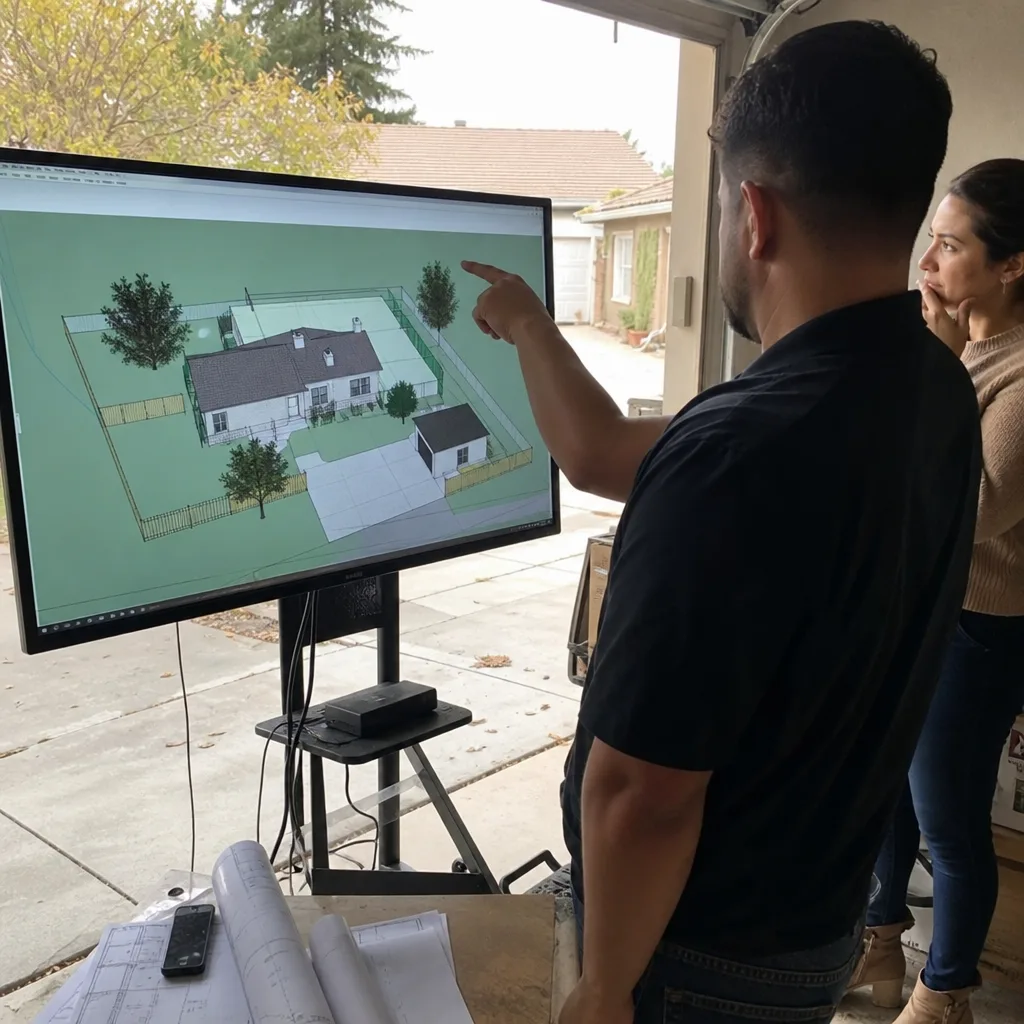
The contract converts proposal promises into enforceable obligations. In Corona’s active ADU market, we’ve seen contracts that transfer nearly all risk to the homeowner while preserving the contractor’s exit options. If you’re weighing self-management against hiring out, our DIY vs Professional ADU: The Corona Homeowner’s Decision Guide covers the risk calculus.
Critical clauses to examine:
Change-order language for “unforeseen conditions.” This is the most abused provision in residential construction contracts. A contract that allows price increases for “unforeseen conditions” without defining what qualifies, what documentation is required, and what the markup percentage is, creates unlimited exposure. We’ve seen Corona homeowners absorb $15,000-$40,000 in “unforeseen” foundation and utility costs that proper preliminary investigation would have identified.
Our Haven Standard defines unforeseen conditions narrowly, requires photographic documentation and third-party verification, and caps the markup at a specified percentage. The scope is locked at signing; no door-side upsells, no scope creep.
Termination clause and design drawing ownership. Many Corona ADU contracts, particularly those separating design from construction, include clauses that forfeit your design drawings if you terminate before construction completion. After investing $8,000-$25,000 in architectural and engineering work, you discover the drawings remain the designer’s property. Our single-contract model eliminates this: the permit set is yours, delivered at specified milestones, regardless of construction status.
Payment schedule tied to completion, not calendar dates. A contract requesting 50% deposit before permit submission, with subsequent payments on monthly intervals regardless of progress, incentivizes delay. Our payment schedule ties to permit milestones, inspection sign-offs, and substantial completion verified by documented photo record.
Warranty language. California requires a minimum 1-year warranty on new construction. Some Corona contractors offer this minimum and no more. Our 365-Day Done Right Promise extends beyond compliance: if the finished ADU is not built to the permitted drawings, we make it right, in writing, before the project starts.
Written price guarantee. Under Haven Standard Clause 1, every project is quoted with a written price before any work begins. The words “call for a quote” do not appear anywhere in our process. If a contract includes language like “estimate subject to final measurements” or “price based on preliminary plans,” you’re not looking at a fixed price.
Site Warning Signs During Construction
Even with a sound contract, field execution reveals whether the paper commitments translate to built reality. These are the site conditions we’ve encountered in Corona projects that preceded owner distress calls.
Work proceeding past a hold point without a signed inspection card. Corona Building & Safety, like all California jurisdictions, requires inspection sign-off at specified construction stages: foundation, framing, insulation, mechanical/electrical/plumbing rough, and final. Proceeding to drywall before framing inspection, or to finish work before MEP rough sign-off, means concealed defects that may require destructive investigation later. We maintain inspection cards on site, signed and dated, with photo documentation.
Subcontractors without visible license numbers on vehicles or credentials. California law requires contractor license numbers on all advertising and vehicles. Absence suggests unlicensed operation, which voids your CSLB protections and may invalidate your homeowner’s insurance if damage occurs.
Material substitutions without written homeowner approval. A contractor who swaps specified James Hardie siding for an unspecified alternative, or substitutes a different window manufacturer without documentation, is breaching contract and potentially compromising energy performance or warranty coverage. Our documented photo record includes material deliveries with manufacturer labels visible.
No dust or erosion control in Corona’s dry climate. Corona’s average 12 inches of annual rainfall concentrates in winter months, leaving long dry periods where uncontrolled site runoff creates neighbor disputes and city code violations. A site without silt fencing, gravel access paths, or dust suppression is a site without proper management.
Utility trenches left open overnight or across weekends. This creates safety liability and suggests scheduling chaos. Our crews backfill or secure trenches daily.
Permit set not present on site or visibly outdated. The approved permit set should be available for inspector reference and crew clarification. Working from older revisions or memory produces deviations that fail final inspection.
Prefab and Modular ADU Considerations
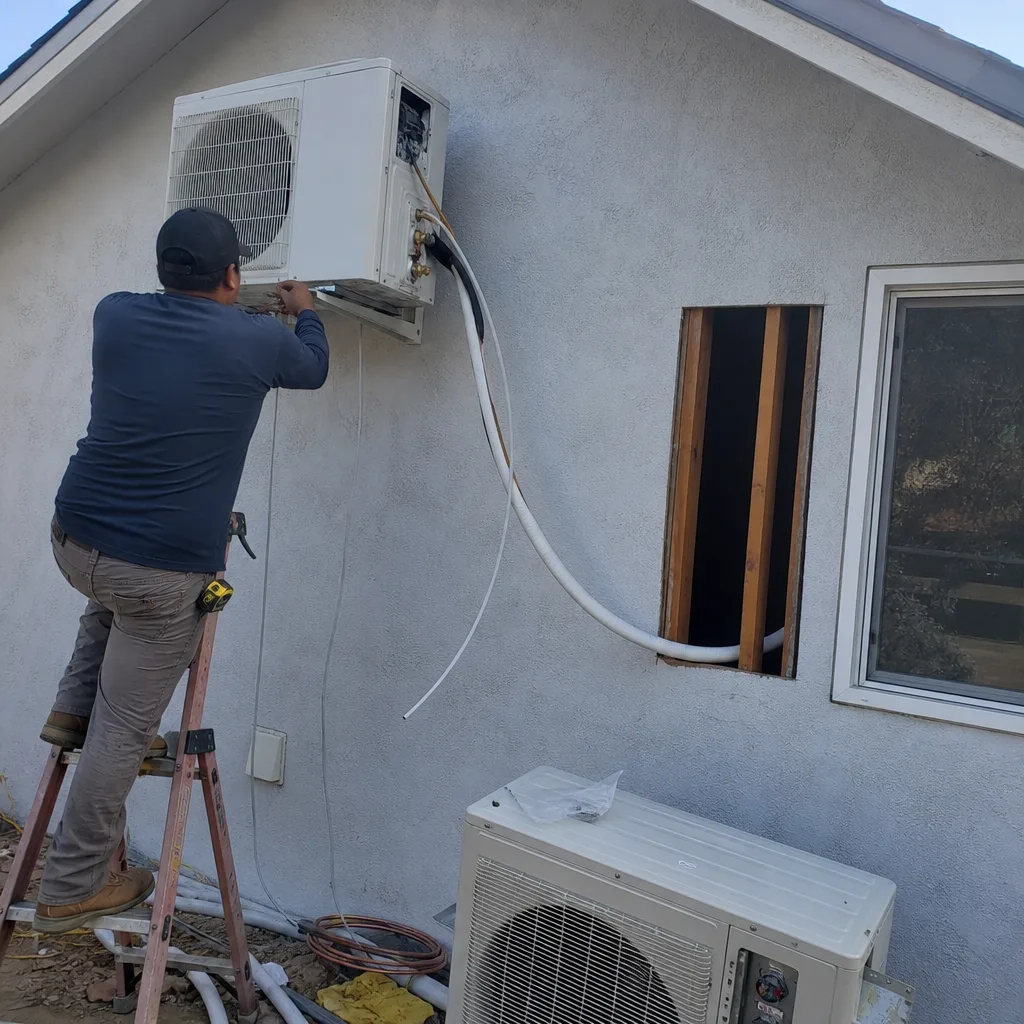
Corona’s ADU market increasingly includes prefab and modular systems from brands like Abodu, Cover, and Tuff Shed. These systems offer legitimate advantages, speed among them, but introduce warning signs distinct from stick-built construction.
Site preparation scope underestimated. Prefab units require level, compacted foundations with utility rough-ins precisely located. Proposals that treat site prep as “standard concrete pad” without geotechnical verification or utility coordination often generate change orders when the crane arrives and the pad isn’t adequate for the specific unit’s load distribution.
Transport and crane costs omitted or estimated low. Moving a modular unit through Corona’s street network, particularly in older neighborhoods with narrow access or overhead utilities, requires route surveys and potentially police escort. A proposal listing “delivery included” without specifying from which point, and what access verification was performed, leaves exposure.
Manufacturer warranty versus installation warranty confusion. The prefab unit may carry a 10-year structural warranty, but who warrants the foundation, utility connections, and finish integration? Our single-contract model coordinates manufacturer and installation warranties under one accountable party.
Permit path uncertainty. Some Corona contractors treat prefab units as “temporary structures” to evade standard permitting. California law requires ADU permits regardless of construction method. We navigate the permit path for prefab systems with the same documentation as site-built, including engineered foundation plans and utility connection approvals.
We’ve specified and coordinated Abodu, Cover, Dvele, Mighty Buildings, Boxabl, Plant Prefab, Tuff Shed, and James Hardie systems within our unified contract, so neither the designer nor the builder can point at the other when integration details conflict.
Common Mistakes to Avoid
- Accepting the lowest bid without line-item comparison. A Corona garage conversion bid at $85,000 against competing proposals at $120,000-$150,000 typically omits permit fees, uses allowance pricing for finishes, or excludes utility connection costs. We provide written line-item quotes so you can compare scope, not just totals.
- Not verifying the contractor’s Corona project history. ADU-experienced contractors in Los Angeles or San Diego may not understand Riverside County’s specific utility coordination requirements. Ask for local permit numbers and completion dates.
- Starting design without confirming utility capacity. Corona’s older neighborhoods, particularly those south of the 91 developed in the 1960s-1980s, often have electrical service and sewer laterals sized for the original dwelling. A design that assumes capacity without verification produces redesign costs when the utility audit fails.
- Ignoring setback and height restrictions specific to Corona’s hillside zones. Properties in the Dos Lagos area or south Corona hills face additional restrictions not apparent from standard zoning maps. Our permit set includes site-specific verification, not standard assumptions.
- Signing a design contract separate from construction. The designer-versus-builder blame gap derails most ADU projects. When drawings don’t match field conditions, each party points at the other. Our ADU Design & Permitting in Corona and construction are a single contract at a single written price.
- Not requesting a documented photo record commitment. Verbal progress reports obscure problems. We deliver timestamped, annotated photos on every visit, showing what was found and what was done.
- Assuming prefab equals permit-free. California requires ADU permits for all construction methods. Any contractor suggesting otherwise is either misinformed or deliberately evading compliance that protects you.
When to Call a Professional
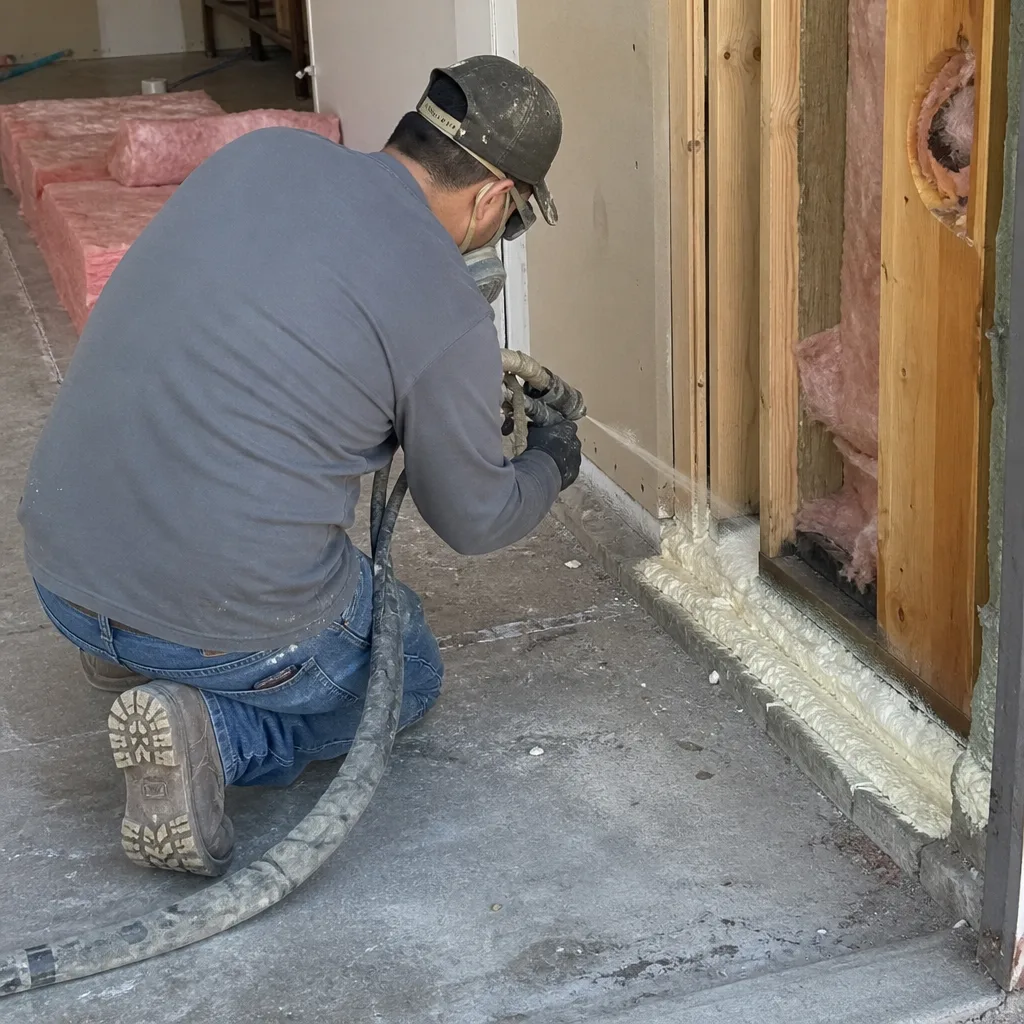
Call for independent evaluation when a proposal shows any combination of: missing permit fees, allowance pricing for finishes, undefined change-order triggers, or a timeline inconsistent with Corona’s current permit processing. These aren’t minor formatting issues; they’re structural indicators of cost transfer and dispute risk.
If you’ve received a written estimate from another Corona ADU contractor, our Free Second Opinion reviews the proposal against current market pricing, permit requirements, and contract fairness, with no obligation. We’ve performed over 200 such reviews since 2015, and approximately 40% revealed significant omissions or unfavorable terms the homeowner hadn’t identified. Explore more guides & resources on protecting your ADU investment.
For new detached ADU planning, New Detached ADU in Corona projects require particular attention to setback verification and utility routing that preliminary site assessments can clarify before design investment.
Ellery ADU Studio Corona offers free estimates in Corona. A live person answers calls 24/7 at (951) 476-3715. You’ll receive a written price before any work starts, per Haven Standard Clause 1, with permit fee estimates based on actual local project data.
Frequently Asked Questions
Garage conversion ADUs in Corona typically run $95,000-$165,000 all-in, drawings through final inspection, depending on existing foundation condition, utility routing distance, and finish specifications. This range includes permit fees, which many competitor proposals omit. Call (951) 476-3715 for an exact quote based on your specific garage and utility configuration; estimates are free.
Under Haven Standard Clause 5 (No Surprises), the scope is locked at signing with no door-side upsells or scope creep. Price changes occur only if you request modifications, or if genuinely unforeseen conditions arise that meet our documented verification standard. Call (951) 476-3715 to review the specific change-order protections in our contract.
We pull all permits as part of our single-contract service. This includes plan check submittal, correction responses, inspection scheduling, and final certificate of occupancy. The permit set is our core product, not an afterthought, and we maintain direct relationships with Corona Building & Safety and Riverside County agencies.
From signed contract to certificate of occupancy, expect 12-18 months for a garage conversion and 14-22 months for new detached construction in Corona. Permit review accounts for 3-4 months of this; construction, 6-12 months depending on complexity. Any proposal promising substantially shorter durations either starts construction illegally or intends to blame the city for delays after you’ve committed.
Verify active status, current workers’ compensation insurance, bond at or above $25,000, and license classification appropriate to your project scope. Check that the license holder has completed ADU projects in Corona recently, not just in other jurisdictions. We provide license verification on every proposal and maintain active status with full compliance documentation.
No. California requires ADU permits for all construction methods, including prefab and modular units. Any contractor suggesting otherwise is exposing you to stop-work orders, fines, and potential demolition requirements. We coordinate prefab systems from Abodu, Cover, Tuff Shed, and other manufacturers through standard permitting with engineered foundations and documented utility connections.
The Bottom Line
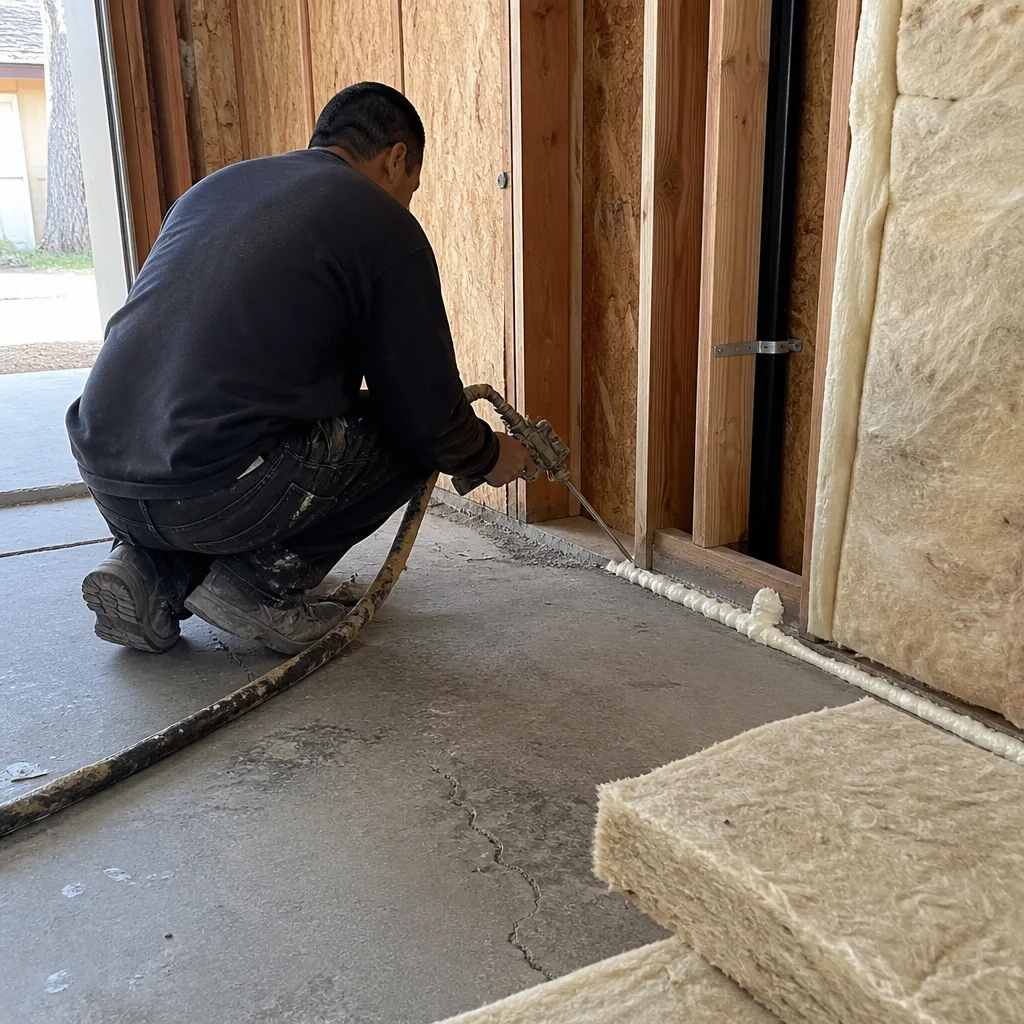
The ADU proposals that create the most distress in Corona share a pattern: they look simple, promise speed, and omit the specific language that would hold the contractor accountable. A written price before work starts, permit fees named rather than hidden, finish materials specified rather than allowanced, and a single contract covering design through construction, these aren’t premium features. They’re the minimum standard for a six-figure project that becomes a long-term asset rather than a lasting regret.
We’ve designed, permitted, and built over 900 ADUs since 2015, every one with a written price before work started and a documented photo record when work was complete. The warning signs in this guide are drawn from that experience, and from the proposals we’ve reviewed where those signs were ignored.
Call (951) 476-3715 to schedule your free estimate, or request a Free Second Opinion on any written estimate already in hand. A live person answers 24/7.
Written by Nadia Ellery, Owner at Ellery ADU Studio Corona, serving Corona since 2015.