
Last updated September 25, 2026
ADU Design & Permitting Maintenance Checklist for Corona Homeowners
Here’s a fact that stops Corona homeowners cold at closing: a permitted ADU with every inspection passed can still be flagged as unpermitted if the certificate of occupancy isn’t retrievable in city records. Corona Building & Safety does not consider “it was issued” sufficient - the CO must be locatable, current, and matched to the approved plan set. Since 2015, we’ve seen three Corona sales derail because the owner filed the CO in a drawer while the city’s digital archive showed a gap. This checklist, alongside our ADU Design & Permitting services, covers exactly what to retain, when to update it, and which changes trigger re-permitting - so your ADU stays a performing asset, not a title defect.
Quick Answer
Corona ADU owners should maintain five core document categories after final inspection: the approved plan set, completed inspection card, certificate of occupancy, utility connection confirmations, and energy compliance certificate. Update this file before any structural, electrical, or square-footage modification, and verify the CO remains retrievable with Corona Building & Safety every five years or before any property sale.
Table of Contents
- The Exact Documents to File After Final Inspection
- Annual Maintenance Checks for Corona’s Inland Empire Climate
- What Triggers Re-Permitting in California
- How to Update Homeowner’s Insurance for Your ADU
- California’s 5-Year Permit Record Retention Rule
- Prefab and Modular ADU Documentation Differences
- Pre-Sale Document Verification in Corona
- Common Mistakes to Avoid
- When to Call a Professional
- Frequently Asked Questions
 Before
 After
AfterThe Exact Documents to File After Final Inspection
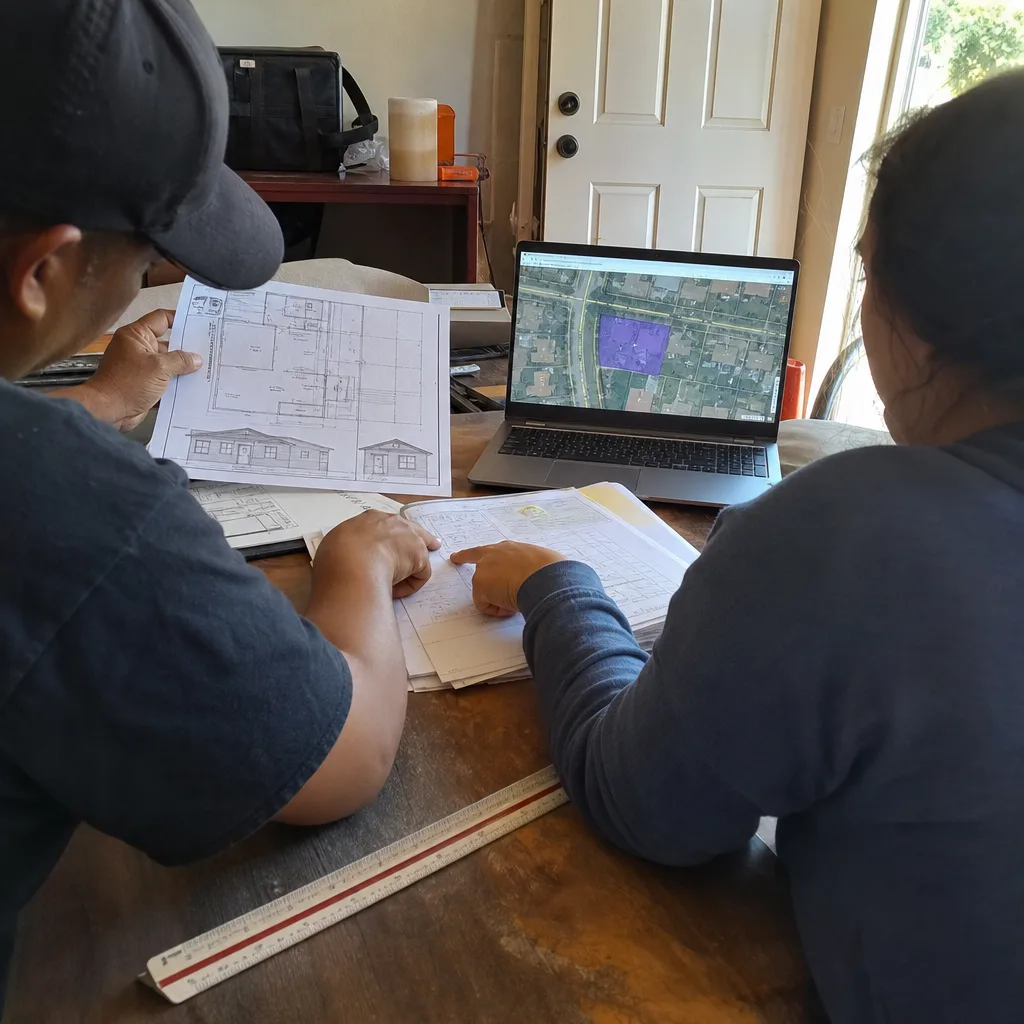
Most Corona homeowners treat permit issuance as the finish line. It’s the starting line for asset protection. The documents you receive after final inspection form the legal identity of your ADU. Lose them, and you lose the ability to prove compliance.
Here is what Corona Building & Safety issues, what each document proves, and how to store it:
- Approved plan set (stamped) - The architectural and structural drawings that passed plan check, with city stamps and correction marks. This is the legal definition of what was permitted to exist. Store the original and two copies in separate locations.
- Completed inspection card - The sequential record of every inspection (foundation, framing, insulation, drywall, final). Each box should be signed and dated by the inspector. Gaps or unsigned boxes are red flags for buyers and insurers.
- Certificate of Occupancy (CO) - The document that legalizes habitation. In Corona, the CO is issued by Building & Safety after final inspection passes, but it is not automatically uploaded to a public-facing portal. Request a digital copy and verify the permit number matches.
- Utility connection confirmations - Southern California Edison electric service confirmation, SoCalGas gas service letter (if applicable), and Corona Water Utility water/sewer connection record. These prove the ADU is properly severed from the main dwelling’s meters or has independent service.
- Energy compliance certificate - The documentation showing Title 24 compliance, including the CF-1R and CF-6R forms. California requires this for all ADUs; insurers increasingly request it for replacement cost calculations.
We deliver these documents in a bound project folder at final walkthrough, with digital copies uploaded to a shared drive. Under Haven Standard Clause 3 (Documented Delivery), every client receives this package regardless of project size. For ADU Design & Permitting in Corona, the permit set is the core product - not an afterthought.
One Corona client in Sierra Del Oro assumed their CO was “in the system” because the city inspector handed them a paper copy. Three years later, a title search found no digital record. The paper copy saved the sale, but only after a two-week delay to reconcile the permit number. Keep both formats.
Annual Maintenance Checks for Corona’s Inland Empire Climate
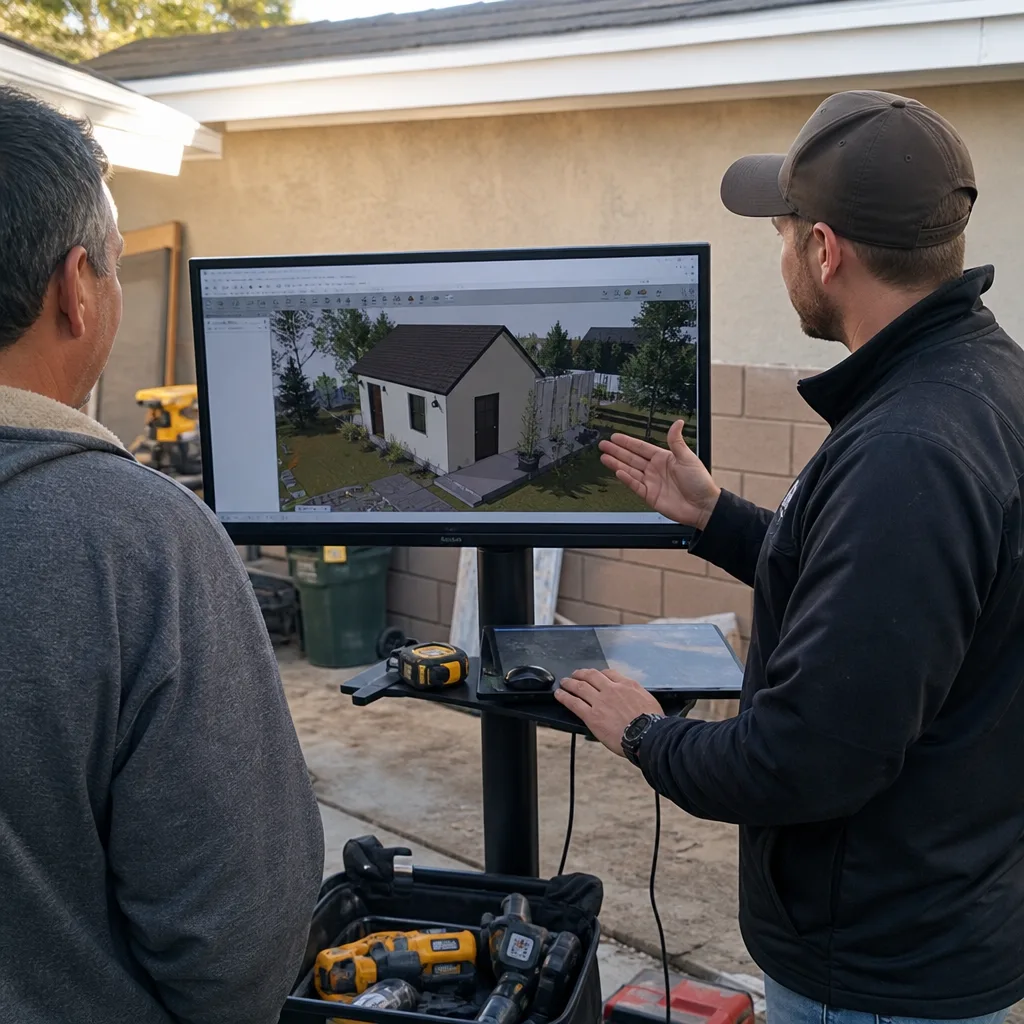
Corona’s climate sits at the intersection of two forces that degrade ADUs faster than coastal California: Santa Ana wind cycles that drive fine particulate through every seam, and summer temperature swings that stress exterior finishes. Annual maintenance here is not cosmetic. It is compliance preservation.
HVAC filter cycles adjusted for Inland Empire particulate
Standard manufacturer guidance assumes moderate dust loads. Corona’s PM2.5 levels spike during Santa Ana events, typically October through March. We specify MERV 13 filters for ADU mini-splits and recommend inspection every 60 days during wind season, 90 days otherwise. A clogged filter forces the compressor to work harder, which can push electrical load beyond what the permit-set panel was sized for. Document each filter change with a dated photo; insurers may request maintenance records if an electrical claim arises.
Stucco crack inspection before rainy season
Corona’s wet season is brief but intense when it arrives. Hairline stucco cracks from thermal expansion become water intrusion paths. Inspect in October, before the first sustained rains. Look for:
- Cracks wider than 1/16 inch at window and door corners
- Horizontal cracking at foundation lines (possible settlement)
- Efflorescence (white powder) indicating moisture migration
Repair with matching elastomeric caulk and photograph. If cracking recurs in the same pattern, it may indicate structural movement beyond cosmetic - time to consult the original structural drawings and possibly a licensed engineer.
Roof and flashing check
Detached ADUs in Corona’s Dos Lagos and South Corona areas see accelerated UV degradation on flat membrane roofs. Inspect seams and penetration flashings annually. Ponding water beyond 48 hours indicates drainage slope failure - a condition that may violate the original permit if it leads to structural modification.
Electrical panel and GFCI test
Test all GFCI outlets monthly. In Corona’s dry climate, static buildup can mask ground-fault conditions. A failed GFCI that goes untested becomes a code violation if discovered during a sale inspection.
What Triggers Re-Permitting in California
Not every ADU modification needs a new permit. Enough do that guessing wrong can invalidate your certificate of occupancy and trigger a full re-inspection sequence. ADU Permits, Codes & Inspections in CA: What You Need to Know covers how California Building Standards Code and Corona’s local amendments set the specific threshold.
Changes that always trigger re-permitting:
- Square footage changes - Any increase to the ADU’s conditioned floor area, including enclosed patios or bump-outs. Even 50 square feet requires a new plan set and Title 24 re-calculation.
- Structural modifications - Removing or altering load-bearing walls, changing roof framing, or modifying foundation elements. The original structural engineer’s stamp no longer applies.
- Electrical panel upgrades - Increasing amperage to the ADU service, adding sub-panels, or running new service from the main dwelling. Southern California Edison requires separate permitting for service changes above 200 amps.
- Plumbing fixture relocation - Moving a kitchen or bathroom more than 3 feet from original rough-in locations triggers new plumbing plan check in Corona.
- Change of use - Converting from residential to home office, short-term rental, or care facility. Each use has different egress, accessibility, and fire separation requirements.
Changes that typically do not trigger re-permitting:
- Interior finish replacement (flooring, paint, cabinets) without plumbing or electrical relocation
- Appliance replacement with like-for-like specifications
- Window replacement within the same rough opening, provided egress dimensions are maintained
- HVAC equipment replacement with equivalent capacity and efficiency
The critical step: document before work begins. Photograph the existing condition, pull the original permit set, and confirm with Corona Building & Safety whether a revision or new permit is required. Under Haven Standard Clause 5 (No Surprises), we lock scope at signing; any client-requested change gets a written amendment with permit implications spelled out before work proceeds. For Garage Conversion ADU in Corona projects, this is especially critical - the existing structure’s grandfathered status can be lost if unpermitted modifications are discovered.
How to Update Homeowner’s Insurance for Your ADU
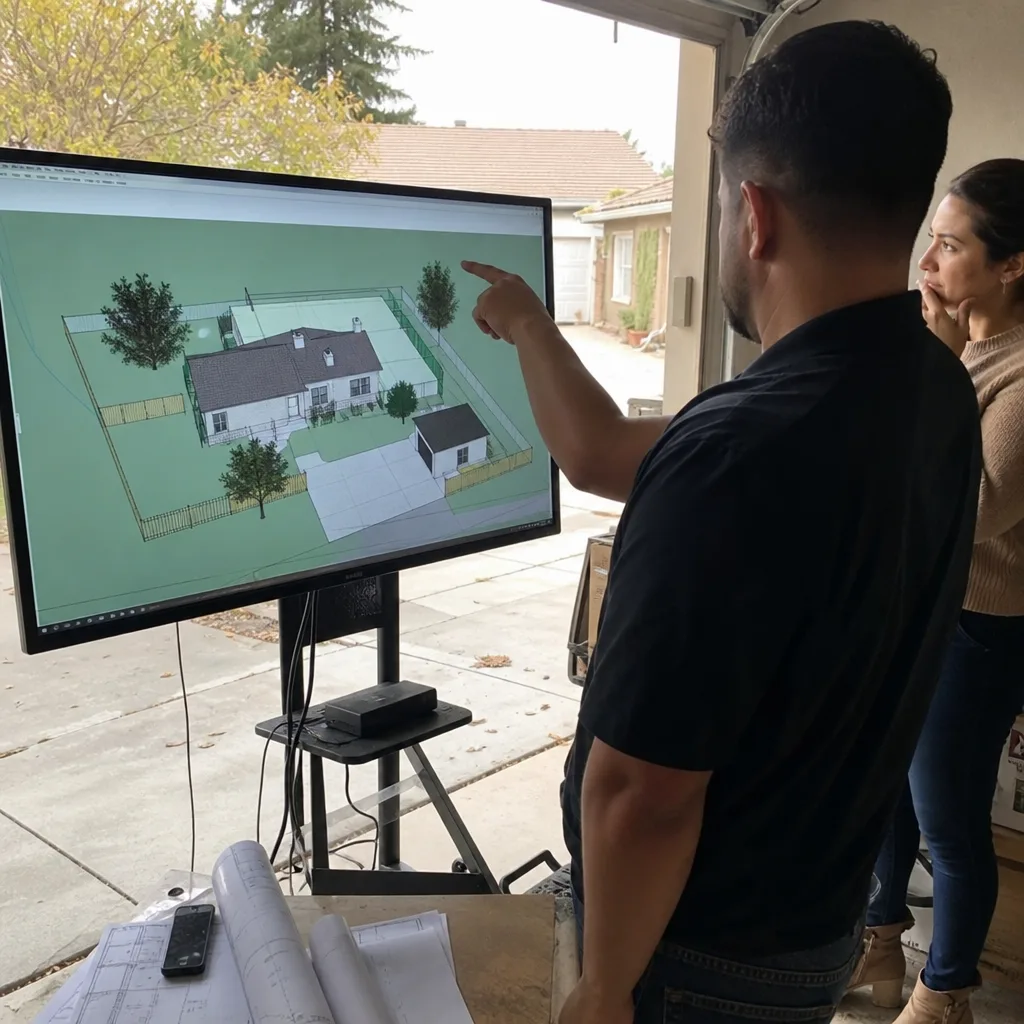
Standard homeowner’s policies in Corona often cover “other structures” at 10% of dwelling coverage - inadequate for most ADUs built after 2020. Worse, some insurers treat ADUs as unendorsed outbuildings, excluding liability coverage for tenant-occupied units. The documentation you maintain directly determines whether your claim is paid.
Specific line items insurers require:
| Document | Why Insurers Need It | Where to Obtain |
|---|---|---|
| Approved plan set with square footage | Replacement cost calculation | Your project folder or Corona Building & Safety |
| Certificate of Occupancy | Proof of legal habitability | City records; request verification copy |
| Energy compliance certificate (Title 24) | Discount eligibility for efficient construction | Original energy consultant or HERS rater |
| Utility connection confirmations | Liability delineation (separate meters reduce risk) | SoCal Edison, SoCalGas, Corona Water Utility |
| Construction cost documentation | Actual cash value vs. replacement cost settlement | Your contractor’s final invoice |
Request a scheduled structure endorsement or landlord policy rider, depending on ADU use. Provide the insurer with the approved plan set and CO; do not rely on their assessor’s exterior estimate. In Corona’s Sierra Del Oro and Horsethief Canyon neighborhoods, we’ve seen replacement cost estimates vary by $80,000 between insurer-calculated and permit-documented square footage.
Update coverage after any permitted modification. A 2023 kitchen expansion in a Corona ADU added $23,000 in replacement cost that went unreported; the owner’s partial fire claim was reduced proportionally.
California’s 5-Year Permit Record Retention Rule
California Health and Safety Code Section 19851 requires cities to retain permit records for five years from final inspection. After that, retention is discretionary. Corona Building & Safety currently maintains digital records beyond five years, but the archive is not complete - paper files from high-volume years (2019-2021, the post-SB 13 surge) have gaps.
What this means for your ADU: your legal proof of compliance may outlive the city’s obligation to keep it. The certificate of occupancy you hold in hand is your primary defense if records are lost, misfiled, or destroyed.
Best practices for long-term retention:
- Store physical copies in a fire-resistant container, separate from the property (safe deposit box or digital backup location)
- Scan to PDF at 300 DPI minimum; include all pages, even blank inspection card boxes
- Verify digital retrievability with Corona Building & Safety at year 4, before the statutory retention period expires
- Include permit documentation in your estate planning file; heirs may need to prove legal ADU status for continued rental income
- Update file with any subsequent permits, insurance endorsements, or utility account changes
When records are lost in a sale, the burden falls on the seller to reconstruct compliance. This can require hiring a licensed architect to produce as-built drawings, engaging a structural engineer for letter certification, and re-inspecting systems that passed years ago. Cost typically runs $4,000-$12,000 in Corona, with 6-14 week timelines. The project folder we deliver under Haven Standard Clause 3 exists precisely to prevent this scenario.
Prefab and Modular ADU Documentation Differences
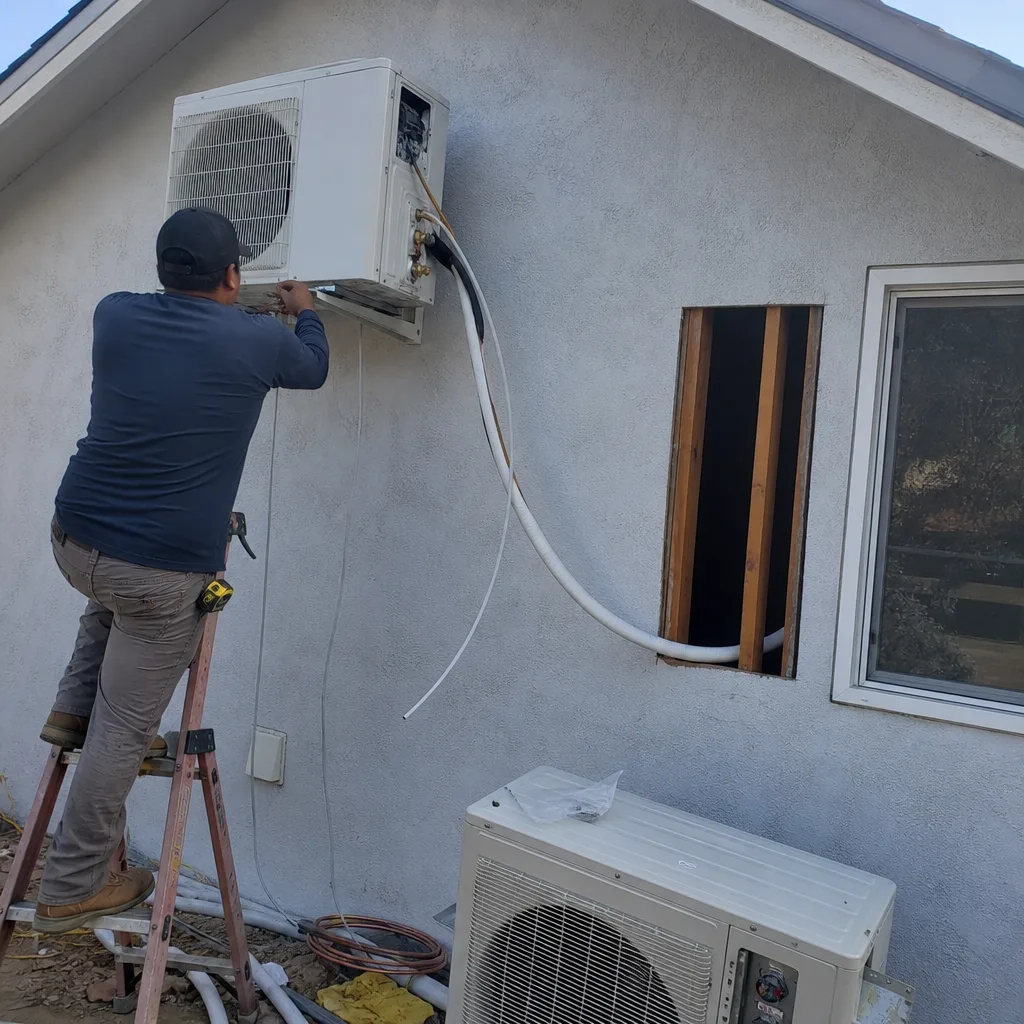
Prefab and modular ADUs introduce documentation layers beyond site-built units. The factory certification, transportation permit, and crane set documentation are additional records that insurers and title companies increasingly scrutinize.
For systems we specify and coordinate - including Dvele, Mighty Buildings, and Boxabl - the factory provides a HUD or state modular approval label. This is not a city permit; it is a factory compliance certification that must accompany the local permit set. Retain:
- Factory approval label photograph (affixed to unit, often inside utility closet)
- Transportation permit from California Highway Patrol or applicable authority
- Crane operator certificate and lift plan (if crane set)
- Foundation anchoring detail, showing compliance with Corona’s wind load requirements
- Factory warranty and maintenance schedule, distinct from contractor warranty
Plant Prefab units, which we also coordinate, ship as modular components requiring on-site assembly. The documentation trail splits: factory records for the components, local permits for the assembly and finish work. Both must be maintained.
Corona’s wind exposure zone (per CBC Chapter 16) affects anchoring requirements for lighter prefab systems. The approved plan set should include the structural engineer’s wind load calculation; if it does not, request it before final inspection. This document becomes critical if you later add a patio cover, solar array, or other wind-catching element.
For New Detached ADU in Corona, prefab or site-built, the principle is identical: the permit set defines what is legal, and deviations without documentation erode that legality.
Pre-Sale Document Verification in Corona
Corona’s real estate market moves fast when it moves, but ADU-related title issues can stall or kill deals. The listing agent’s disclosure packet should include ADU documentation proactively; waiting for the buyer’s inspection to surface gaps costs leverage and often price, as detailed in our ADU Warning Signs: A Corona Homeowner’s Reference Guide.
90 days before listing, verify:
- Certificate of Occupancy retrievability - Call Corona Building & Safety at (951) 476-3715 with your permit number. Confirm the CO is attached to the permit record and the address matches current assessor records.
- Utility account status - Confirm separate meters (if applicable) are active and accounts current. Request letter of good standing from each utility.
- Insurance endorsement alignment - Verify your policy’s ADU coverage matches current replacement cost. Obtain a replacement cost estimator letter if values have shifted significantly.
- Tax assessor records - Riverside County Assessor should reflect the ADU’s square footage and use. Discrepancies trigger re-evaluation and possible supplemental tax bills.
- HOA compliance (if applicable) - Corona’s newer master-planned communities may have CC&Rs restricting ADU use or requiring architectural committee approval. Obtain written confirmation of compliance.
A Corona homeowner in Dos Lagos discovered at escrow that their 2021 garage conversion ADU lacked a recorded CO - the inspector had signed the card but the certificate was never generated in the system. The sale closed 23 days late after a retroactive CO request. The paper inspection card, which they had retained, accelerated the resolution.
At Ellery ADU Studio Corona home, we provide a sale-readiness verification as a complimentary service for past clients, pulling permit history and flagging gaps before listing.
Common Mistakes to Avoid
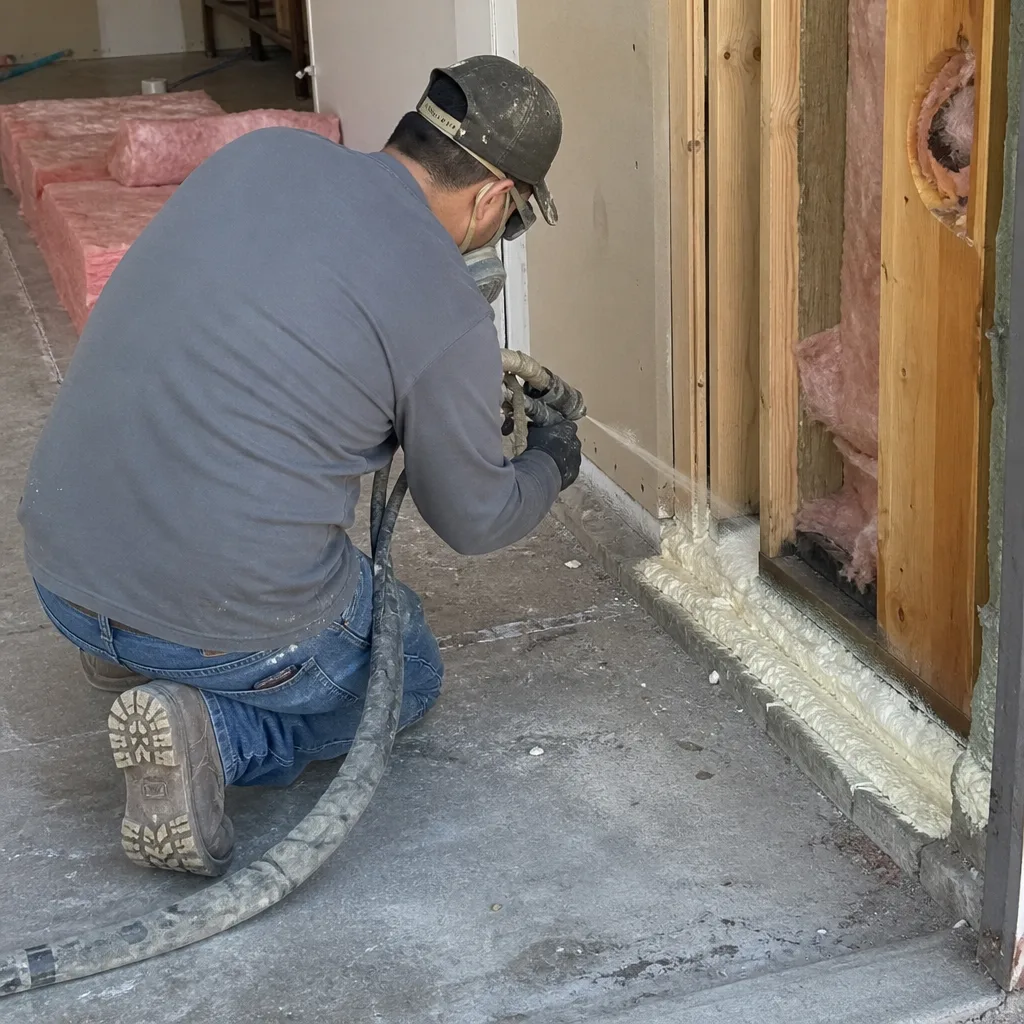
- Assuming digital records are permanent. Corona’s permit database has migrated platforms twice since 2015. Data loss is rare but documented; your physical file is your backup.
- Renovating without checking permit thresholds. A Corona homeowner added a 120-square-foot covered patio to their ADU, exceeding the original footprint. The unpermitted addition was flagged at sale, requiring full plan check and inspection - a $7,400 fix.
- Letting insurance lag construction cost. Construction inflation in the Inland Empire averaged 6.8% annually from 2020-2024. A policy written at 2021 completion values may cover 70% of current replacement cost.
- Discarding factory documentation for prefab units. The HUD label on a modular ADU is as critical as the CO. Missing labels require factory re-certification, which some manufacturers no longer provide for discontinued models.
- Failing to document tenant-caused damage repairs. Insurance claims for ADU damage require maintenance records. A Corona landlord’s water damage claim was denied because they could not prove the toilet flange was inspected annually.
- Ignoring the 5-year verification window. Waiting until sale to discover a records gap leaves no time for correction. Verify at year 4, not year 5.
- Misidentifying the ADU type in records. Junior ADUs, conversion ADUs, and detached new construction have different code sections. Ensure all documents use consistent terminology matching the original permit.
When to Call a Professional
Call a licensed design-build studio or architect when: the original permit set is incomplete or unavailable; you’re considering any structural, electrical, or square-footage modification; your insurance agent requests documentation you cannot locate; or a title search reveals permit discrepancies before sale. Corona Building & Safety can answer factual questions but will not reconstruct records or advise on compliance strategy.
Ellery ADU Studio Corona offers free estimates in Corona - call (951) 476-3715. We also provide a Free Second Opinion on any written estimate already in hand, with permit implications reviewed against your existing documentation.
Frequently Asked Questions
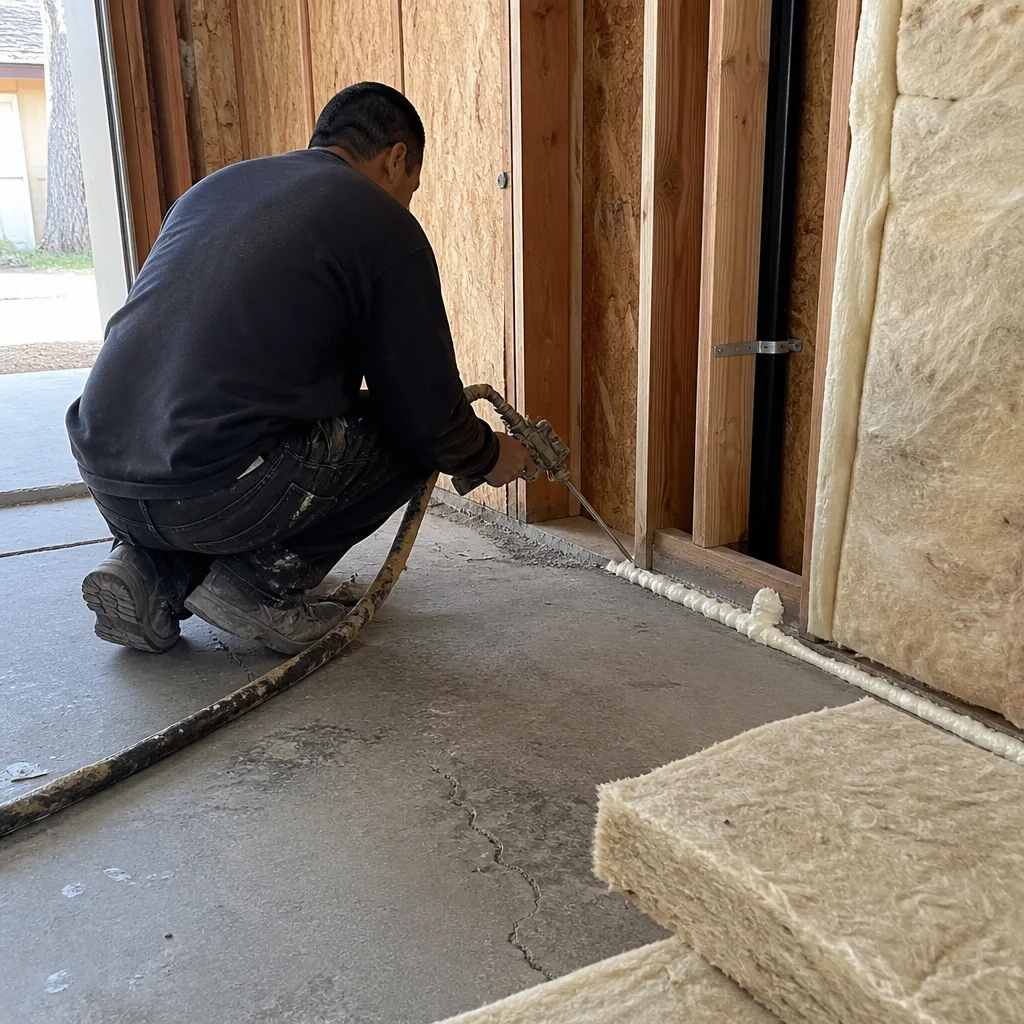
Reconstruction typically runs $4,000-$12,000, depending on complexity and how many systems require re-inspection. As-built drawings from a licensed architect start around $2,500; structural engineering letters add $800-$2,000; and re-inspection of electrical, plumbing, and mechanical systems runs $150-$400 per trade. Call (951) 476-3715 for an exact quote - estimates are free.
Probably not fully. Standard “other structures” coverage at 10% of dwelling coverage rarely matches ADU replacement cost, and unendorsed policies may exclude liability for tenant-occupied units. Insurers increasingly require the CO and approved plan set for ADU claims. Update your policy within 30 days of final inspection.
No annual inspection is required for maintained ADUs. However, if you modify systems, the modification triggers inspection. Also, code enforcement may inspect if complaints arise. Maintaining your documentation proves original compliance and often resolves complaints without physical re-inspection.
Pre-2020 conversions without permits are not grandfathered under California’s ADU laws. Corona requires full permitting for legalization, including plan check and inspection sequence. The 2019-2020 amnesty periods have closed. We cover this process in detail for Garage Conversion ADU in Corona.
Factory certifications do not expire, but manufacturer support for discontinued models may end. Verify by contacting the manufacturer with your unit serial number. For Dvele, Mighty Buildings, and Boxabl units we coordinate, we retain factory contact records and can assist with verification. Keep the factory warranty and approval label photograph in your permanent file.
The sale can stall or the buyer may demand a price reduction or escrow holdback. Title companies flag unrecorded COs as encumbrances. Resolution requires Corona Building & Safety to reconcile the permit file, which takes 2-6 weeks if you hold the paper CO and inspection card, or months if records must be reconstructed. Verify retrievability before listing.
The Bottom Line
ADU permit maintenance is not bureaucratic housekeeping. In Corona’s market, it is asset protection. The documents issued at final inspection - approved plan set, inspection card, certificate of occupancy, utility confirmations, and energy compliance certificate - form the legal and financial foundation of your ADU’s value. Maintain them physically and digitally, verify city retrievability before the five-year retention window closes, update insurance to match permit-documented replacement cost, and re-permit any modification that crosses California’s structural, electrical, or square-footage thresholds. The homeowners who treat this checklist as seriously as the original construction avoid the surprises that derail sales and erode returns, and can explore more guides & resources for ongoing ADU ownership.
Call (951) 476-3715 to schedule your free estimate. Every project is quoted with a written price before any work begins, per Haven Standard Clause 1.
Written by Nadia Ellery, Owner at Ellery ADU Studio Corona, serving Corona since 2015.