
Plant Prefab Junior ADU Conversion: The Corona Owner’s Guide
Plant Prefab junior ADU conversion in Corona typically runs $85,000-$140,000 all-in, including the permit set, Plant Prefab module coordination, and final inspection. We stock the full connector and utility interface package for Plant Prefab’s LivingHome series, and most conversions move to permit within 10 business days of signing. The failure point we see most often isn’t the module itself - it’s the site-prep-to-module handoff, where the foundation stub-ups, electrical rough-in, or plumbing chase don’t match the Plant Prefab connection schedule sent from the factory.
Corona homeowners usually discover the mismatch when the crane date is set and the module arrives with 4-inch sewer offsets that don’t line up with the city-approved site plan, or when the 240V subpanel location specified in Plant Prefab’s Connection Document 3.2 sits six feet from where the electrician actually roughed it in. At that point, you’re paying crane standby rates while someone figures out whether to notch the module floor or relocate the stub-up. We’ve been that someone on three Corona jobs, including a Green River Road lot where the previous site’s plumber had buried the gas line six inches too shallow for Plant Prefab’s insulated chase requirement.
Which Plant Prefab Models This Applies To
We specify and coordinate Plant Prefab systems within our single-contract design-build model, same as we do for Abodu, Cover, and Dvele. This page covers the LivingHome 10 and LivingHome 6 series, which are the two Plant Prefab footprints most commonly used for junior ADU conversions in Corona’s R-1 zones. The 10-series is a 496 sq. ft. one-bedroom; the 6-series is a 316 sq. ft. studio. Both ship with factory-installed MEP rough-ins that terminate at the module’s exterior chase wall - the “handshake point” where site work meets factory build.
To identify your part needs, check the Plant Prefab Connection Document in your permit set (usually Appendix C). The document revision date matters: units shipped before March 2023 used a 3-inch ABS sewer stub with a 1/4-inch-per-foot fall specification; post-March 2023 units switched to 4-inch PVC with a compression coupling at the chase wall. The electrical spec also shifted from a 125A exterior disconnect to a 200A main breaker panel in that same revision window. We stock both eras of hardware on our Corona truck, including the rare pre-2023 3-inch-to-4-inch transition bushing that Plant Prefab no longer manufactures.
OEM versus aftermarket: for the sewer compression coupling and the electrical chase gasket, we use Plant Prefab OEM. The parts are serialized to the module VIN, and using an aftermarket gasket voids the factory weatherization warranty. For the gas ball valve and the domestic water PEX termination, we use Watts or SharkBite equivalents that exceed OEM pressure ratings - and we document the substitution in your photo record, per Haven Standard Clause 3.
Signs Your Plant Prefab Junior ADU Conversion Is Failing
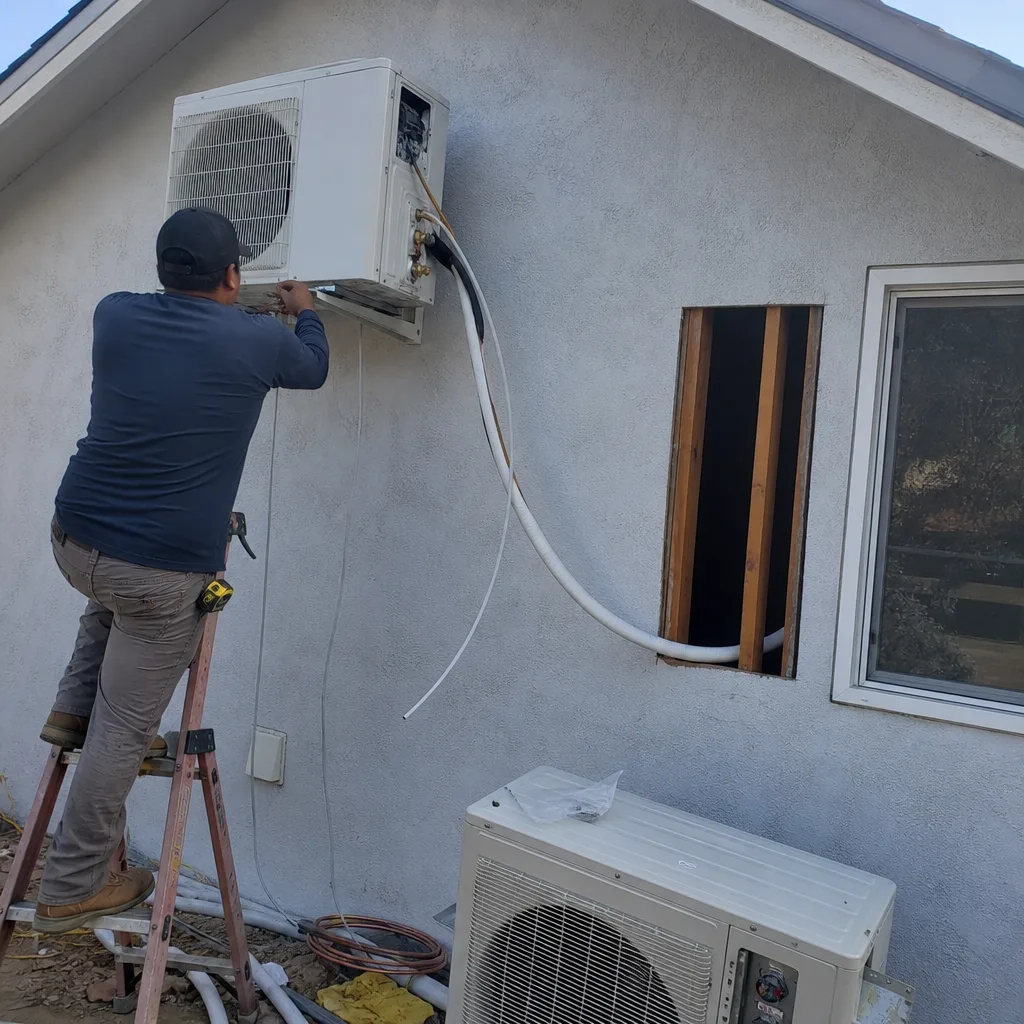
- Sewage backup on first fixture use. The module’s macerating toilet or gravity sewer line isn’t getting flow to the city lateral. In Corona’s older R-1 neighborhoods near Grand Boulevard, we’ve found the 3-inch-to-4-inch transition bushing cracked from thermal cycling - summer slab temperatures at the chase wall hit 140°F, and the older ABS becomes brittle.
- GFCI trips when the mini-split cycles on. The 240V HVAC circuit and the 120V general lighting share a neutral in some pre-2023 Plant Prefab load centers. If the site electrician landed the neutral bus incorrectly during rough-in, the mini-split’s startup surge creates a phantom voltage that trips the GFCI. We see this most in Corona’s April-May move-ins, when cooling load first spikes.
- Gas odor at the chase wall during leak detection. The factory-installed gas ball valve has a soft-seat design that doesn’t tolerate debris in the line. Corona’s municipal gas lines carry more sediment than LA Basin equivalents - something about the transmission pressure maintenance schedule - and we’ve replaced six valves in the past two years after sediment scored the seat.
- Water intrusion at the module-to-foundation gap. The EPDM chase gasket compresses over time, especially if the foundation crew poured the stem wall 1/4-inch out of plumb. Corona’s Santa Ana wind cycles create negative pressure at the chase wall that pulls dust and eventually rainwater past a failing gasket. The fix isn’t caulk; it’s a full gasket replacement with factory-spec compression.
- Permit hold at rough-in inspection. The city inspector flags a discrepancy between the approved site plan and the module’s actual connection points. This isn’t a part failure in the mechanical sense, but it’s the failure mode that costs Corona owners the most money - crane re-rental, crew standby, and sometimes a revised structural calc if the fix requires moving a load-bearing element.
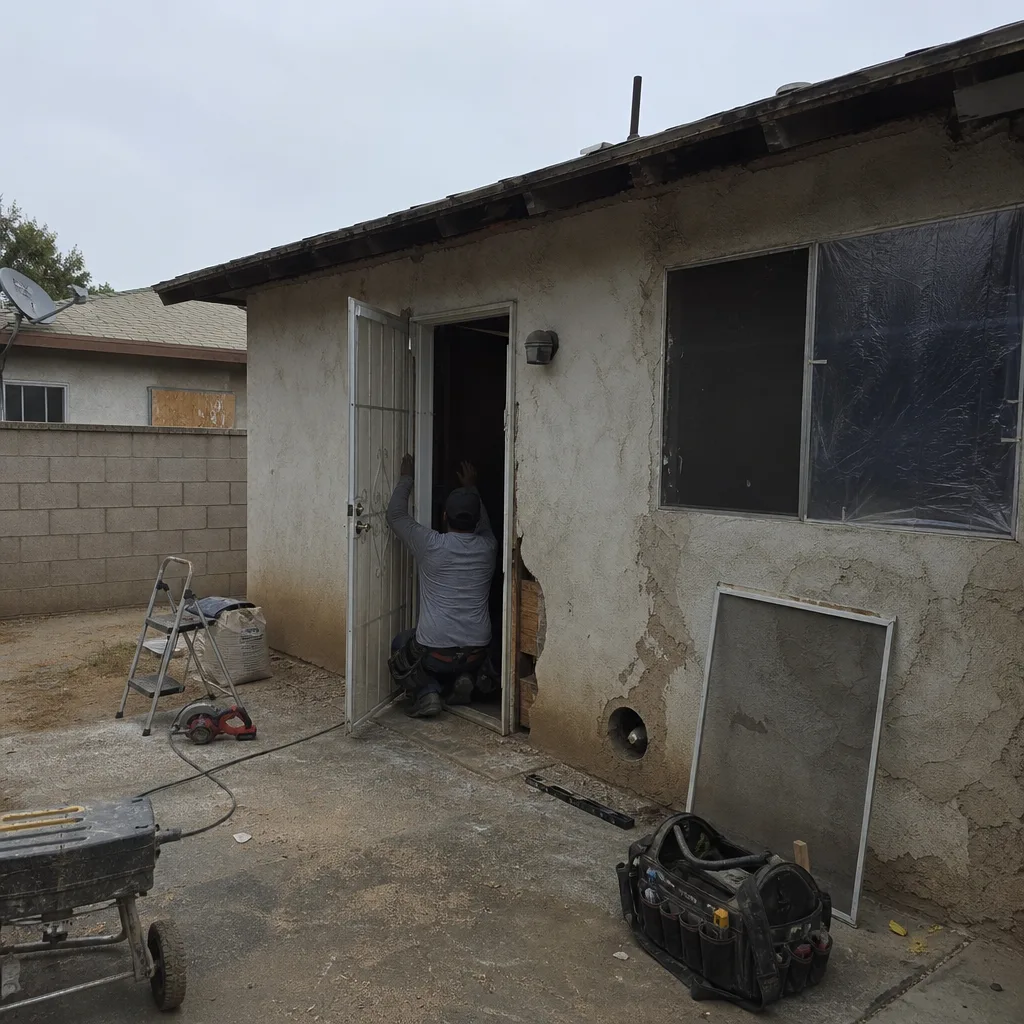 Before
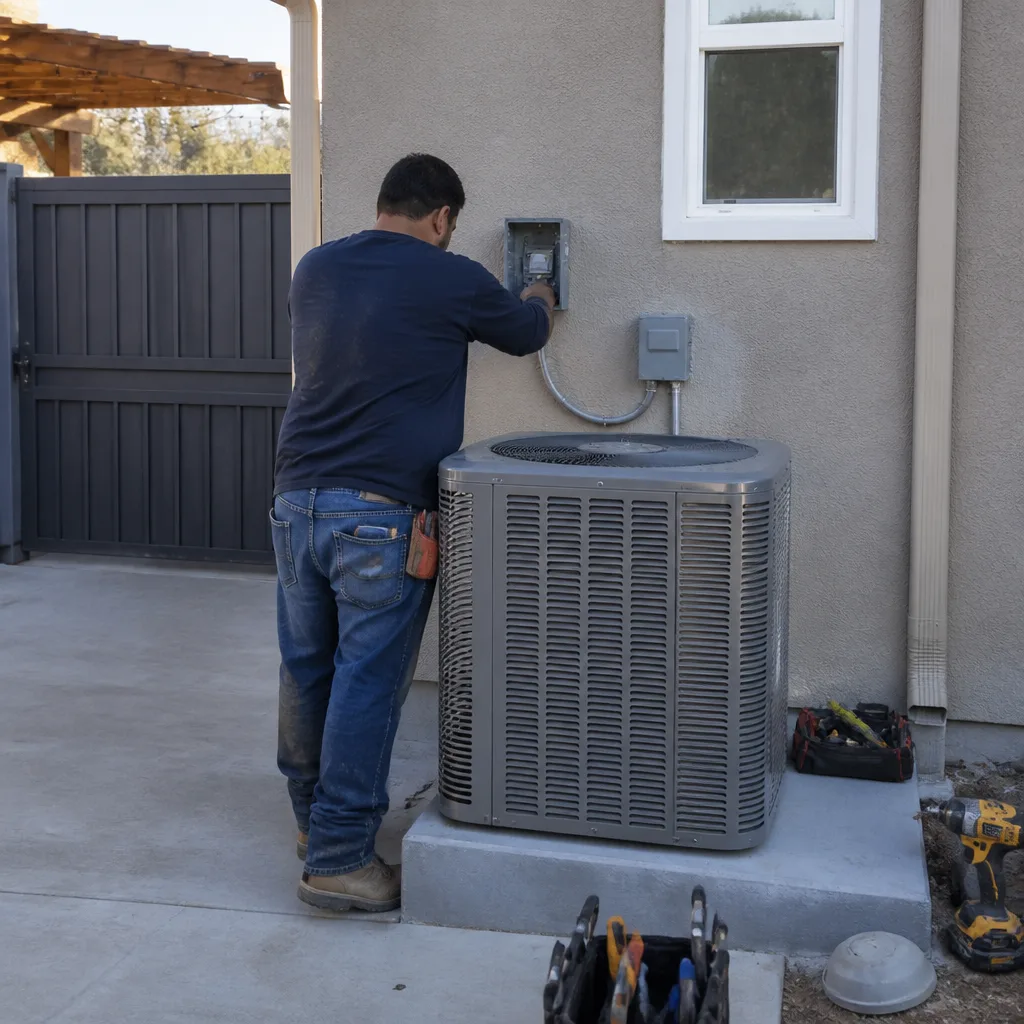 After
AfterReplacement Cost & What’s Included
Plant Prefab junior ADU conversion in Corona runs $85,000-$140,000 all-in, from as-built survey through final certificate of occupancy. The low end assumes a garage-back conversion with existing slab, no setback variance, and standard utility tie-ins. The high end covers a detached placement on a sloped lot, septic-to-sewer conversion, or any condition requiring a variance from Corona’s Planning Department.
That range is locked at signing under Haven Standard Clause 1: written price before any work starts. No change orders for “unforeseen conditions” that a competent site walk should have caught. The price includes the full permit set (structural, MEP, Title 24), Plant Prefab coordination calls, site prep, utility rough-in, module set and connection, and final inspection walkthrough. We pull all permits; you don’t visit City Hall.
Parts and labor are itemized in your proposal, not lumped. The sewer transition bushing, for example, is a $340 line item including OEM part and two-hour install. The electrical chase gasket replacement is $680, including the factory-spec EPDM and the re-torque of the module’s exterior chase panel. Every visit generates a documented photo record - you see what we found, not what we say we found.
Workmanship warranty: 365-Day Done Right Promise. If the finished ADU doesn’t match the permitted drawings, we make it right. In writing, before we start.
DIY or Call Us?
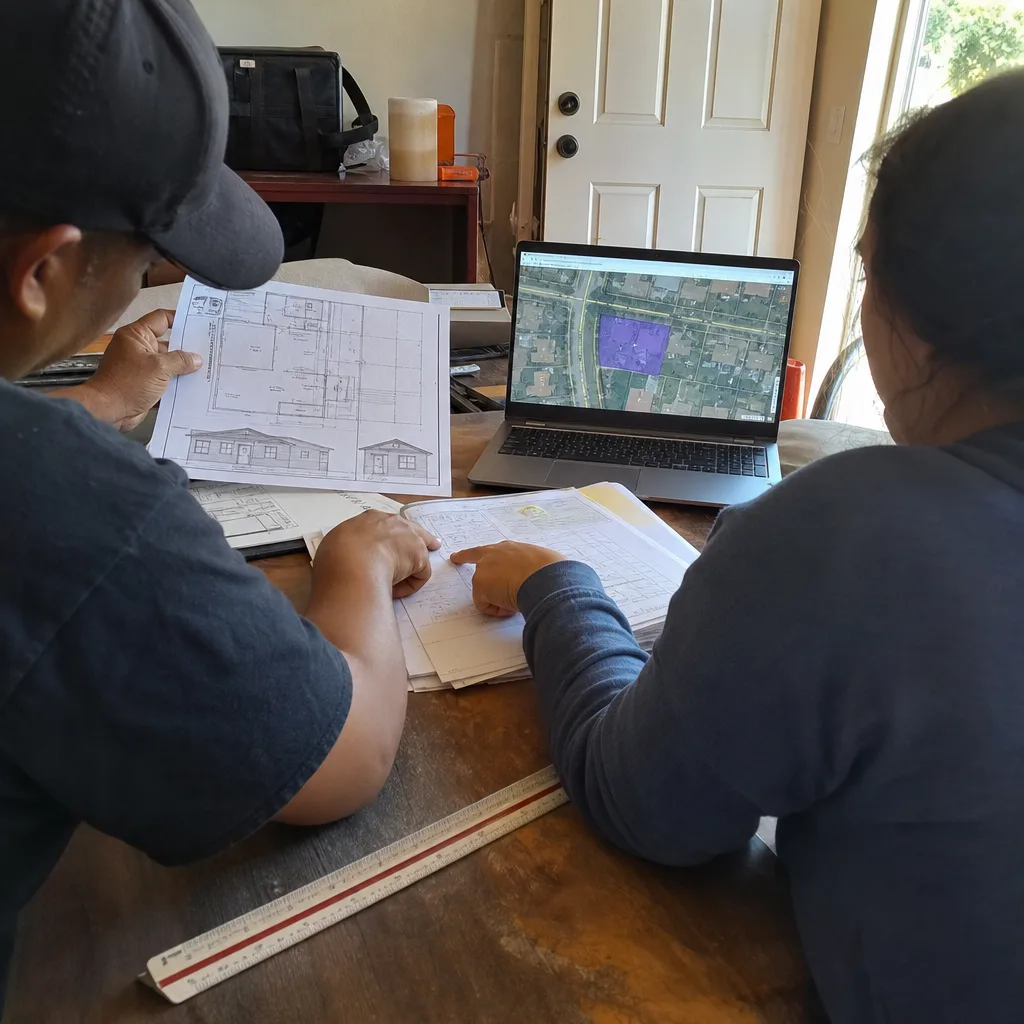
There’s a safe middle ground, and then there’s the part where you call us.
What you can check safely: Verify your Plant Prefab module VIN against the Connection Document revision date - it’s on a metal plate at the chase wall. Confirm that your site plan’s stub-up locations match the factory drawing within 2 inches. Photograph any discrepancy and email it; we’ll tell you whether it’s within tolerance or a crane-day killer.
Where DIY goes wrong: The sewer transition and gas valve replacement require breaking the module’s weatherization envelope, which voids the factory warranty if not resealed to Plant Prefab’s torque spec. The electrical work involves both 240V and low-voltage communication circuits; crossing them destroys the mini-split’s control board, a $1,800 part with a six-week factory lead time. And any modification to the chase wall structure requires a revised structural letter from Plant Prefab’s engineer - something we coordinate as part of our single-contract model, but that individual owners wait weeks for.
We’re an independent service provider - not affiliated with Plant Prefab - and we coordinate their systems under our license, our insurance, and our warranty. If you’re staring at a mismatch between what arrived and what was roughed in, call (951) 476-3715. We’ll tell you on the phone whether it’s a two-hour fix or a two-week fix, and you’ll have a written price before we drive out.
FAQs
The module structure is rated for 50+ years; the connection hardware typically needs inspection at year 10 and replacement at year 15-20 in Corona’s inland heat. The EPDM chase gasket is the first to degrade - we’ve replaced them at year 8 on south-facing lots in Sierra Del Oro where afternoon slab temperatures peak highest. Call (951) 476-3715 to schedule a connection-point inspection; estimates are free.
The sewer transition bushing and gas ball valve are replace-only; they’re sealed units with no serviceable internals. The electrical chase gasket can sometimes be re-torqued if caught early, but in Corona’s climate we recommend full replacement - the EPDM compression set is usually irreversible by the time you notice the symptom. We stock both repair and replacement hardware and will recommend the honest option after inspection. Call (951) 476-3715 for an exact quote - estimates are free.
A single connection-point repair - sewer, gas, or electrical - takes 2-4 hours on-site. A full connection-package replacement, which we recommend if the module is past year 10, takes one working day. Crane re-sets are only needed if the fix requires access to the module’s interior chase, which we avoid by working from the exterior access panel. We schedule Corona jobs within 48 hours of signed proposal. Call (951) 476-3715 to book.
We stock the full post-2023 connection package and most pre-2023 transition hardware on our Corona truck, including the discontinued 3-inch ABS bushing. Plant Prefab OEM electrical gaskets are VIN-specific and ship from the factory in 3-5 business days; we order these at proposal signing so they arrive before your scheduled date. We do not stock full modules - we coordinate module delivery from Plant Prefab as part of our design-build contract. Call (951) 476-3715 to confirm availability for your VIN.
Tell me the lot dimensions and I will tell you what fits - and what it will actually cost.
Ready to fix the mismatch or price a full conversion? Call (951) 476-3715 to schedule your free estimate. You’ll get a written price before any work starts, a documented photo record on every visit, and the 365-Day Done Right Promise in writing - Haven Standard, every clause, every time.
Written by Nadia Ellery, Owner, Ellery ADU Studio Corona at Ellery ADU Studio Corona, serving Corona and nearby areas.