
Cover Junior ADU Conversion: The Corona Owner’s Guide
Cover junior ADU conversion in Corona typically runs $95,000-$145,000 all-in, from the initial permit set through final inspection, and we stock Cover-compatible systems for assessment within 48 hours of your call. The part that usually fails first isn’t the module itself - it’s the utility integration kit, specifically the electrical subpanel tie-in and the wet-connection manifold that bridges Cover’s standardized plumbing to your existing main line. We see this most often in Corona’s older neighborhoods south of Ontario Avenue, where the original home’s 100-amp service and galvanized supply lines weren’t sized for an additional dwelling unit.
Most Cover owners realize something’s wrong when the city inspector flags it during the rough-in, or when the utility company won’t release the meter seal. By then, the module is already on site and you’re paying for standby labor. We catch this in the permit set phase, before the Cover unit ships.
Which Cover Models This Applies To
Cover’s junior ADU line - the Backyard and Studio models, specifically Series 2 (2021-present) and the original Series 1 (2018-2020) - share a common utility integration spec, but the wet-connection manifold changed diameter between series. Series 1 uses a 1-inch PEX-A stub; Series 2 moved to 1.25-inch upon California’s updated plumbing code adoption. The electrical subpanel is consistent across both: a 125-amp Siemens load center with a factory-installed 50-amp feeder breaker, though Series 2 added an integrated surge protector that Series 1 lacks.
Identification is straightforward. The data plate lives on the utility chase panel, interior side, upper left corner. You’ll find a QR code and a handwritten series mark - “S1” or “S2” - in permanent marker. If that plate is missing or painted over, measure the PEX stub outside diameter with calipers. 1.125 inches nominal means Series 1; 1.375 inches means Series 2. We stock both manifolds and both subpanel configurations on our Corona truck, plus the adapter bushing for the uncommon case where a Series 1 module got a Series 2 field upgrade.
OEM versus aftermarket: Cover sells the manifold and subpanel as a single kit through their parts channel, with a 90-day warranty and freight from their Bay Area warehouse. We also source the manifold from Uponor (the actual OEM manufacturer) and the Siemens panel through our standard electrical supplier. The Uponor/Siemens route costs 15-20% less, carries the same individual component warranties, and arrives in two days instead of two weeks. For Corona’s permitting timeline, that speed difference usually matters more than the price difference. Ellery ADU Studio Corona is an independent service provider, not affiliated with Cover.
Signs Your Cover Junior ADU Conversion Is Failing
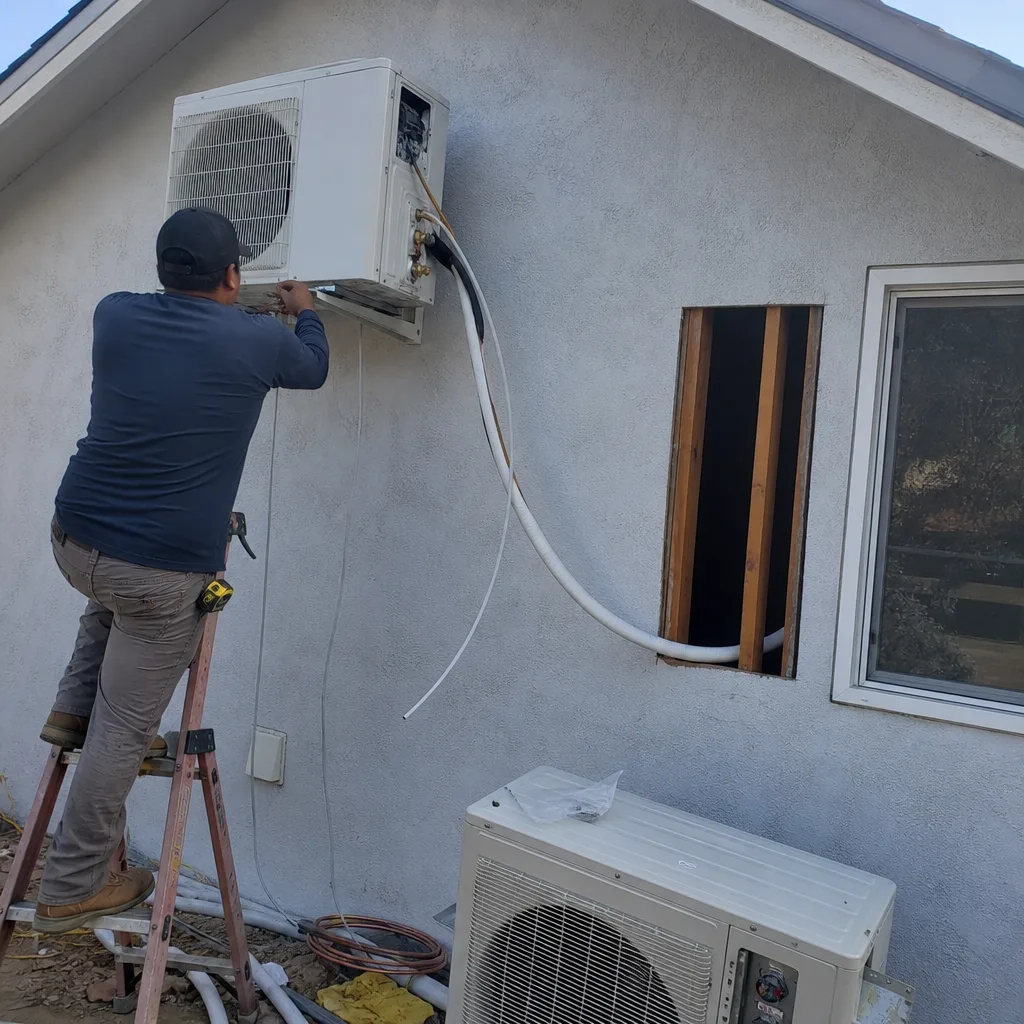
- Inspector holds the rough electrical. The Siemens subpanel’s 50-amp feeder breaker trips under load testing because the main service panel’s bus bar can’t sustain the calculated load. Corona’s pre-1980 housing stock often has Federal Pacific or Zinsco mains that were never designed for ADU addition. We map the actual load calculation in the permit set, not after the module arrives.
- Water pressure drops when both units run simultaneously. The 1-inch Series 1 manifold chokes flow at peak demand, especially in Corona’s higher-pressure zones near the Santa Ana River wash where static pressure can exceed 80 PSI. The manifold’s internal diameter wasn’t sized for simultaneous dishwasher, shower, and irrigation runs.
- Moisture staining at the utility chase exterior. The PEX-to-manifold connection uses an expansion-ring fitting that relaxes in Corona’s summer heat cycles, particularly on south-facing chases. We see this most in August and September, when chase interior temperatures hit 140°F. The fix is a re-ring with Uponor’s higher-temp formulation, which we spec standard.
- City of Corona requests a revised electrical single-line. The Cover subpanel’s neutral-ground bonding screw was left in place by the factory, creating a second neutral-ground bond that violates NEC 250.24(A)(5) when fed from a main panel already bonded. This is a five-minute fix if caught in plan review, a $400 re-inspection fee if caught in the field.
- Gas meter undersized for the added load. Cover’s junior ADU spec assumes a 250k BTU/hr meter; many Corona homes, especially the 1950s-1970s tracts between Magnolia and Main, have 200k or even 150k meters. Southern California Gas won’t upsize without a formal load letter, which we prepare as part of the permit set.
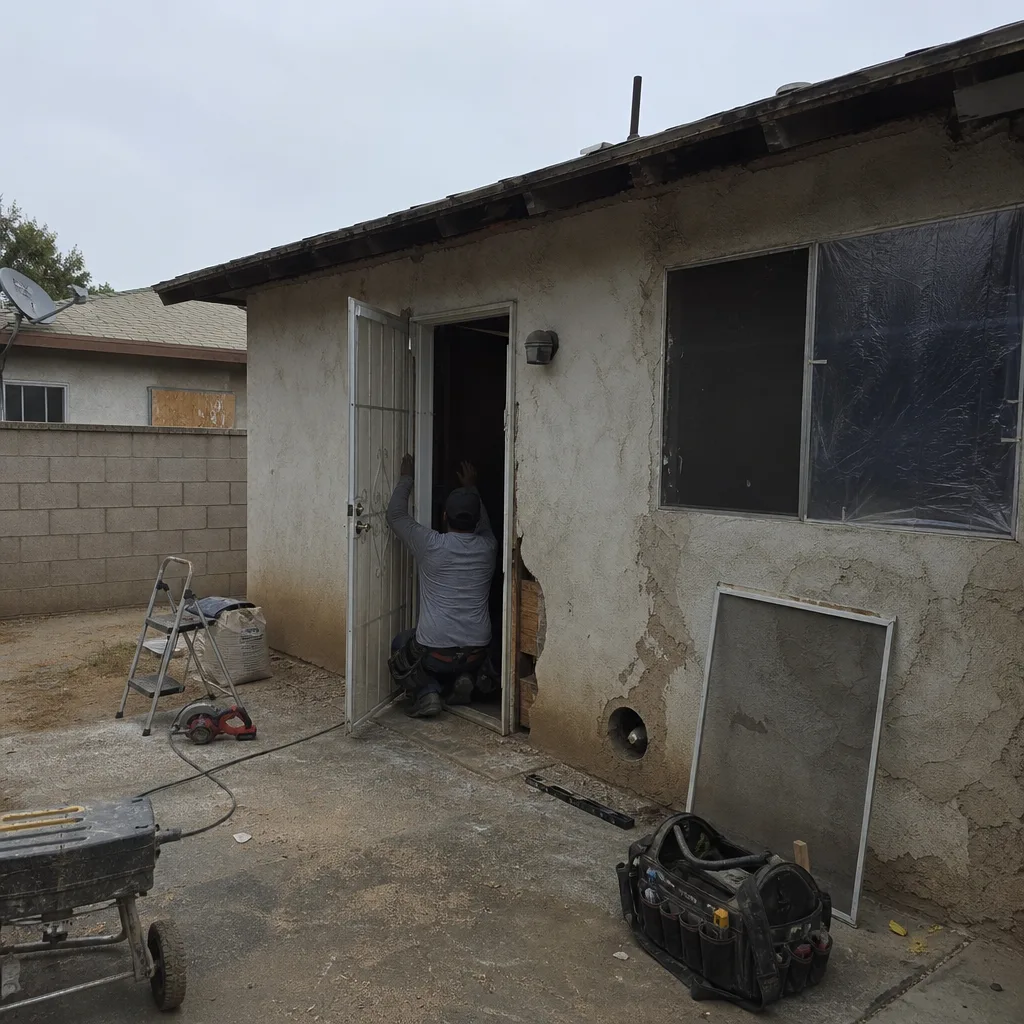 Before
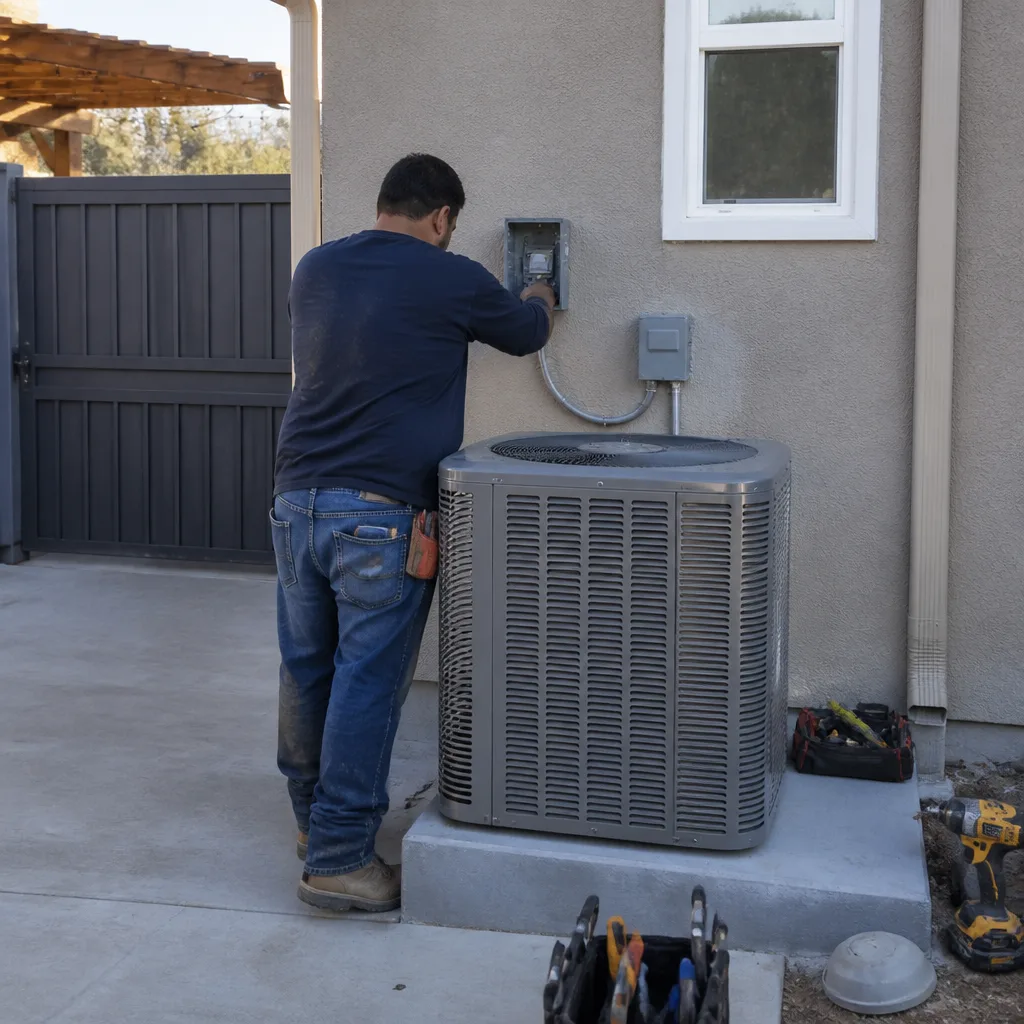 After
AfterReplacement Cost & What’s Included
In Corona, replacing the utility integration kit on an installed Cover junior ADU runs $4,200-$7,800, depending on whether we’re addressing one subsystem or both, and whether the main service requires upgrade. Here’s how that breaks down:
| Component | Range |
|---|---|
| Wet-connection manifold (Uponor OEM), parts & labor | $1,800-$2,400 |
| Electrical subpanel swap / reconfiguration, parts & labor | $2,100-$3,600 |
| Main service upgrade (100A to 200A), if required | $3,800-$5,200 |
| Gas meter upsize coordination (SoCalGas fees + our labor) | $800-$1,400 |
We don’t quote the low number to get the call and revise upward. Under Haven Standard Clause 1, the written price you receive before work starts is the price you pay. If we open the chase and find something unexpected - a corroded galvanized tee, a junction box without proper grounding - we document it with photos, explain the change, and get your written approval before the additional work proceeds. No door-side upsells. The manifold and subpanel each carry a 5-year workmanship warranty; the Uponor fitting carries a 25-year manufacturer warranty against defect.
DIY or Call Us?
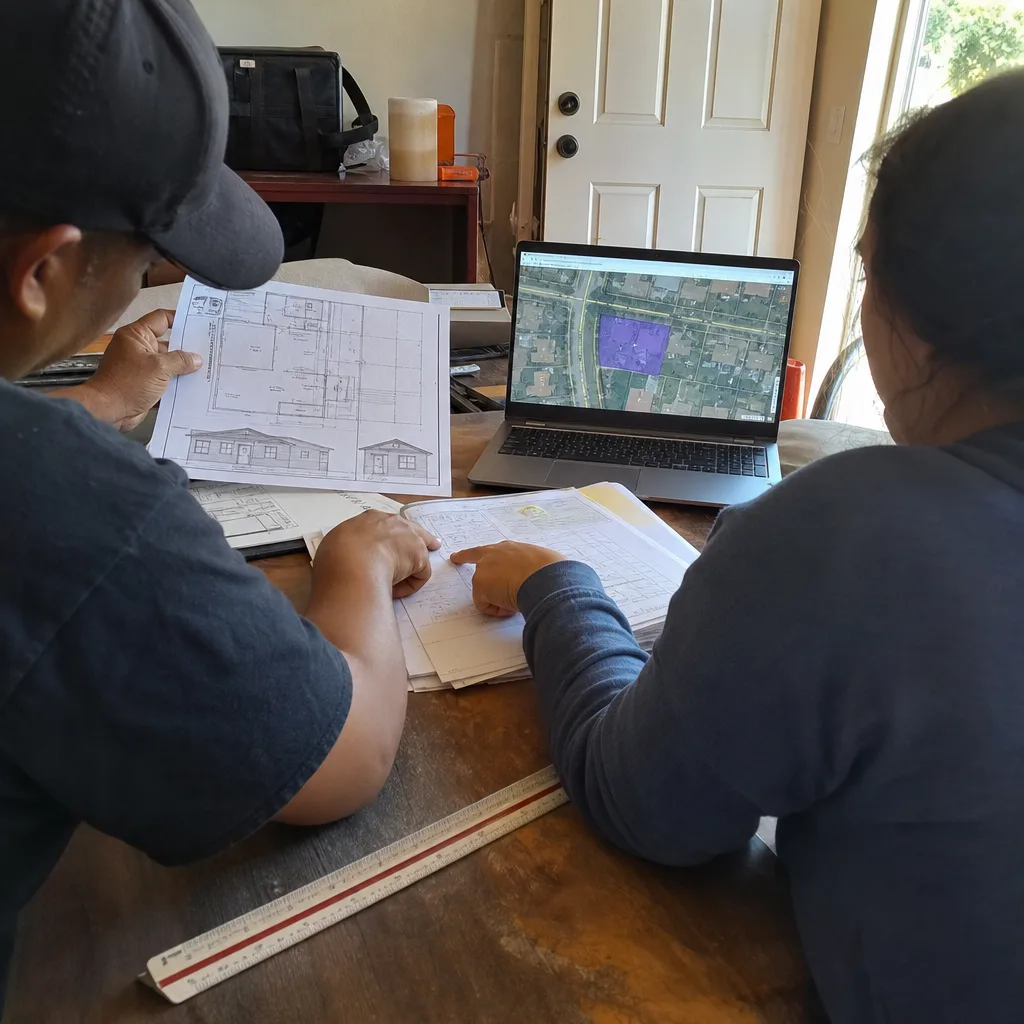
There’s a safe middle ground, and then there’s the part that requires a licensed professional.
What you can check yourself: read the data plate for series identification, photograph any staining or corrosion at the chase exterior, and confirm your main panel brand and ampacity (the label is inside the dead front, but don’t remove it unless you’re comfortable with electrical). Note your gas meter size - it’s stamped on the meter face. This information saves us 20 minutes on the diagnostic call, which saves you money.
What you should not attempt: the PEX expansion-ring fitting requires a calibrated expansion tool and a 15-second hold time that varies by ambient temperature. Under-torque the ring and it leaks in six months; over-torque and you oval the port. The electrical subpanel involves live feeder terminations at 240 volts, and the neutral-ground bond determination requires understanding your home’s grounding electrode system. In Corona’s dry climate, static discharge risk is real, and a mistake here doesn’t just fail inspection - it creates a shock or fire hazard. We pull the permit, coordinate the inspection, and deliver the documented photo record at completion. Call (951) 476-3715 to schedule your assessment.
FAQs
Expect 15-20 years for the Uponor manifold and 25-30 years for the Siemens subpanel, but Corona’s heat cycling and hard water cut that by roughly 25% if the chase faces south or west without shade. We recommend a visual inspection every three years, which we perform as part of our 365-Day Done Right Promise follow-up. Call (951) 476-3715 to schedule - estimates are free.
Sometimes, if the leak is at the expansion-ring joint and the port itself isn’t ovalized. We can re-ring with the high-temp formulation for roughly 40% of replacement cost. If the manifold body is cracked or the internal check valve has failed, replacement is the only viable fix. We make that determination with a borescope inspection, not by guessing. Call (951) 476-3715 for an exact quote - estimates are free.
One day for the manifold alone, or one day for the electrical subpanel. If both systems need work and we coordinate the trades sequentially, plan on two days with a hard stop at each inspection point. Corona’s Building & Safety division typically releases rough inspections within 48 hours of request, which we schedule before we start. Call (951) 476-3715 to confirm current lead times - estimates are free.
We stock the Uponor manifold, the Siemens subpanel, the adapter bushings, and the high-temp expansion rings on our Corona truck. Cover-specific trim pieces - the chase panel, the exterior vent covers - we order to your module’s serial number, which takes four business days from their Bay Area warehouse. We don’t charge you until the part is in our hands and the work is scheduled. Call (951) 476-3715 to verify availability for your series - estimates are free.
We’ve also worked with Abodu and Dvele systems in Corona, though the integration challenges differ - Abodu uses a proprietary electrical bus, and Dvele’s smart-home backbone requires low-voltage coordination that Cover doesn’t. The diagnostic approach is the same: identify the failure mode in the permit set, before the module ships.
Tell me the lot dimensions and I will tell you what fits - and what it will actually cost. That’s how we start every Cover junior ADU conversation in Corona, and it’s how we avoid the utility-integration surprises that derail projects six months in.
Ready to move forward? Call (951) 476-3715 to schedule your free estimate. Nadia Ellery or a member of our team will walk your site, identify your Cover series, and deliver a written price before any work begins - guaranteed under Haven Standard Clause 1.
Written by Nadia Ellery, Owner, Ellery ADU Studio Corona at Ellery ADU Studio Corona, serving Corona and nearby areas.